
Method for Making Jam and Jelly
This comprehensive master recipe from 1900 outlines the traditional Parsi technique for crafting crystal-clear fruit jellies and rich, textured jams. It emphasizes the importance of using perfectly dry, fresh fruit and straining juices through a flannel bag without squeezing to ensure absolute clarity. The method features classic preservation processes, from slow-cooking in tinned vessels to a historical sealing technique using egg-white coated paper for airtight storage.
Ingredients
- 2 pounds Fresh fruit (of choice) (Select fresh, dry fruit gathered in sunny weather. Quantity estimated for a standard batch.)
- 2 cups Sugar (Use loaf sugar or granulated sugar. Quantity estimated (typically 1:1 ratio with juice).)
- 1 ounce Gelatin (Originally '2.5 tolas Swinborne's gelatin' per seer of juice. Modern gelatin is stronger; consider using 1 packet (approx 0.25 oz) per 2 cups of liquid for a standard set.)
- 1 large Egg white (For sealing the jars (historical method).)
- 1 cup Water (Use sparingly as directed by specific fruit requirements.)
More recipes using Fruit

How to Make Jellies
A classic jelly recipe from 1888, modernized for clarity.
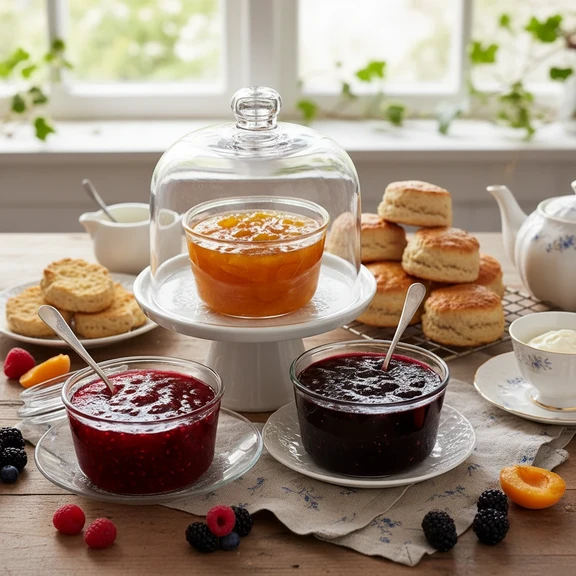
Basic Homemade Jam
A simple guide to making homemade jam, focusing on fruit selection, preparation, and the boiling process. This recipe provides general instructions applicable to various fruits, emphasizing the importance of quality ingredients and proper techniques for successful jam making.

Fruit Jelly (Fifteen portions)
This refreshing fruit jelly, a classic from the early 1900s, offers a delightful combination of sweet and tangy flavors. Featuring a vibrant mix of white grapes, pineapple, and lemon juice, this dessert is a light and elegant treat. The jelly sets beautifully, creating a satisfying texture perfect for a warm day or a special occasion.

Directions for Preserving Fruit
Instructions for preserving various fruits.
Instructions
- 1Select fruit that is perfectly ripe and free from moisture. Ideally, gather fresh fruit from the tree in the morning on a dry, sunny day. Clean the fruit thoroughly.
- 2For jelly, extract the juice. To ensure clarity, do not squeeze the fruit pulp. Use a jelly bag or a piece of thick, clean white flannel (about 1 yard square). If flannel is unavailable, use a clean white towel dipped in hot water and wrung out. Tie the four corners of the cloth to the legs of an inverted stool or a stand so it hangs like a bag over a collection vessel. Allow the juice to drip through naturally without squeezing.
- 3Measure the juice. For every 1 seer (approx. 2 cups) of juice, add the gelatin. If making jelly, add crushed sugar now. If making jam, use whole loaf sugar broken into pieces (do not use pre-crushed sugar as it may make the jam cloudy).
- 4Place the mixture in a clean earthenware pot or a fully tinned (kalai) metal vessel. Cook over a slow fire or charcoal embers. Do not let the vessel touch the embers directly; keep it at a distance. As it boils, skim off any scum or seeds that rise to the surface using a wooden or silver spoon (do not use iron or other metals). Do not cover the pot, as condensation will spoil the jelly.
- 5To test if done, place a small amount on a cold saucer. If it sets or wrinkles when pushed, it is ready. Do not overcook, or the color and flavor will be ruined and it may become too sticky or candy-like.
- 6Immediately remove from heat and pour into small, clean glass jars or bottles. Allow to cool completely. Once cold, place a small piece of white paper dipped in brandy (optional) directly on the surface. Then, seal the jar mouth with a larger piece of white paper coated with egg white or dissolved gum, pressing it down around the neck to create an airtight seal.
You Might Also Like
How to Make Jellies
A classic jelly recipe from 1888, modernized for clarity.

Plum Jelly
A clear, ruby-red jelly made from ripe plums simmered to extract their tart, pectin-rich juices. This traditional recipe balances the natural acidity of the fruit with sugar to create a firm, translucent preserve that is perfect for spreading on toast or scones. The inclusion of plum stones during the initial boiling adds depth of flavor and helps the jelly set naturally.

Raspberry Jelly No. 2
A classic Victorian-era preservation method that transforms fresh raspberries into a crystal-clear, ruby-red jelly. This traditional recipe emphasizes a precise reduction technique, simmering the pure fruit juice to concentrate the flavor before adding sugar, ensuring a perfect set and intense berry taste. The result is a smooth, spreadable preserve that captures the bright, tart essence of summer berries, perfect for toast, scones, or pastry fillings.

Raspberry Jelly (Method 3)
This traditional Raspberry Jelly captures the vibrant essence of fresh berries in a clear, ruby-red preserve. By carefully crushing and straining ripe raspberries, the pure juice is combined with high-quality sugar to create a smooth, trembling texture perfect for spreading on toast or serving with desserts. The double-straining method ensures a crystal-clear finish that highlights the natural tartness and sweetness of the fruit.