
How to Make Jellies
A classic jelly recipe from 1888, modernized for clarity.
Ingredients
- as needed Fruit
- 1 pound Sugar
- as needed Brandy
- as needed Tissue paper
- as needed White or brown paper
More recipes using Fruit

Method for Making Jam and Jelly
This comprehensive master recipe from 1900 outlines the traditional Parsi technique for crafting crystal-clear fruit jellies and rich, textured jams. It emphasizes the importance of using perfectly dry, fresh fruit and straining juices through a flannel bag without squeezing to ensure absolute clarity. The method features classic preservation processes, from slow-cooking in tinned vessels to a historical sealing technique using egg-white coated paper for airtight storage.

Fruit Jelly (Fifteen portions)
This refreshing fruit jelly, a classic from the early 1900s, offers a delightful combination of sweet and tangy flavors. Featuring a vibrant mix of white grapes, pineapple, and lemon juice, this dessert is a light and elegant treat. The jelly sets beautifully, creating a satisfying texture perfect for a warm day or a special occasion.
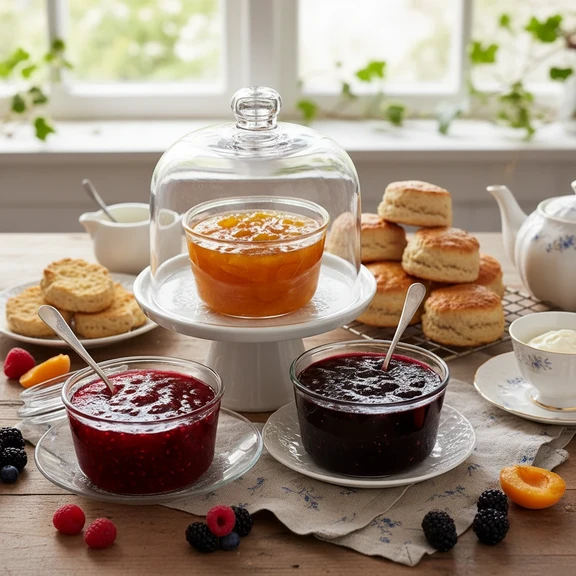
Basic Homemade Jam
A simple guide to making homemade jam, focusing on fruit selection, preparation, and the boiling process. This recipe provides general instructions applicable to various fruits, emphasizing the importance of quality ingredients and proper techniques for successful jam making.
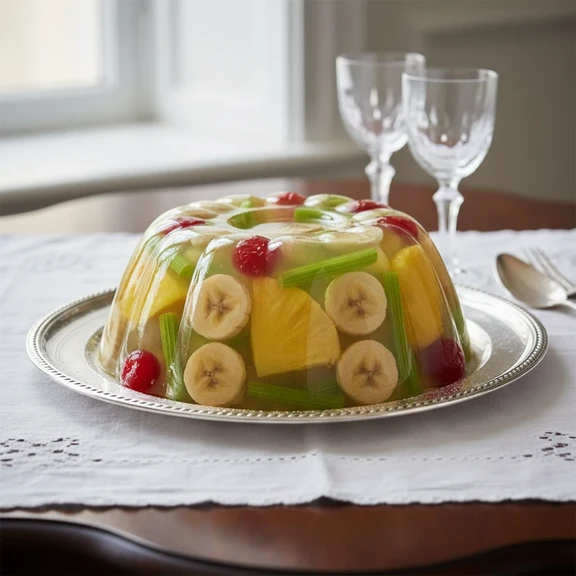
Modern Fruit Chartreuse
A visually stunning and refreshing dessert featuring layers of fruit suspended in a delicate jelly mold.
Instructions
- 1Place the fruit in a stone jar. Place the jar in a pot of hot water (a double boiler is ideal). Heat until the fruit is sufficiently softened.
- 2Strain the softened fruit through a jelly bag. Place the juice in a preserving kettle.
- 3For each pint of juice, add 1 pound of sugar. Place the sugar in a dish and heat it in the oven. Allow the juice to boil for 20 minutes, then add the heated sugar.
- 4Let the mixture come to a boil. Remove from heat. Pour the jelly into scalded glasses, filling them to the brim. Allow the jelly to stand in the sun for at least a day, or until thoroughly set. Cover the jelly with tissue paper saturated with brandy, and then cover with thick white or brown paper.
You Might Also Like
Method for Making Jam and Jelly
This comprehensive master recipe from 1900 outlines the traditional Parsi technique for crafting crystal-clear fruit jellies and rich, textured jams. It emphasizes the importance of using perfectly dry, fresh fruit and straining juices through a flannel bag without squeezing to ensure absolute clarity. The method features classic preservation processes, from slow-cooking in tinned vessels to a historical sealing technique using egg-white coated paper for airtight storage.
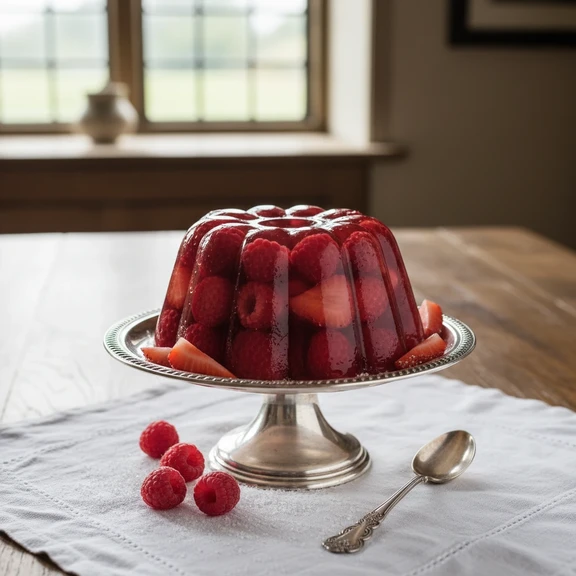
Strawberry or Raspberry Jelly
A classic jelly recipe using fresh fruit.

CURRANT JELLY
This classic recipe for Currant Jelly transforms tart currants into a shimmering, flavorful preserve. The process involves extracting the juice, sweetening it with sugar, and carefully boiling it to achieve the perfect set. The result is a vibrant, tangy jelly that's perfect for spreading on toast, scones, or serving alongside cheese. The rich, sweet-tart flavor profile makes it a delightful addition to any meal.

Currant Jelly
This classic Currant Jelly recipe from 1900 offers a taste of traditional preserving techniques, creating a sweet and tangy jelly perfect for spreading on toast or pairing with cheese. The recipe uses simple ingredients like currants and sugar, resulting in a vibrant and flavorful jelly. The process involves mashing the currants, simmering them, and straining the juice to achieve the perfect texture.