
Beignets Soufflés
Beignets Soufflés are light, golden fried puffs flavoured with lemon zest and sugar, served piled high and dusted with powdered white sugar. This colonial-era recipe from Higginbotham and Co. produces an airy, crowd-pleasing sweet fritter with a delicate crisp exterior.
Ingredients
- 1 pint water (Use cold tap water)
- 1 pinch salt
- 1 piece the size of an egg (approximately 40–50 g) butter (Cut into pieces so it melts quickly)
- 1 tablespoon sugar (White granulated sugar)
- 3 lemons lemon peel, rasped (finely grated zest) (Use only the coloured outer zest, avoiding the bitter white pith. A fine grater or zester works well.)
- 1 sufficient quantity to form a thick paste (approximately 150–180 g) plain flour (Add gradually until the dough pulls away from the sides of the pan and forms a smooth, thick paste)
- 2 eggs eggs (whole) (Use at room temperature for easier mixing)
- 2 yolks egg yolks (Separate carefully, reserving the whites in a clean, grease-free bowl for whisking)
- 2 whites egg whites (reserved from separated eggs) (Must be in a clean, dry, grease-free bowl to whisk properly to a froth)
- 1 sufficient quantity for deep frying fat (for deep frying) (Use enough fat in a deep, heavy pan to fully submerge the beignets. The fat must be brought to a vigorous boil (approximately 170–180 °C) before frying.)
- 1 sufficient quantity for coating powdered white sugar (Also known as icing sugar or confectioners' sugar. Dust generously over the finished beignets before serving.)
More recipes using Flour

Beignets Soufflés
Light, hollow golden fritters made from a lemon-scented choux-style paste, fried until puffed and coated generously in powdered white sugar. A classic colonial-era treat that is simpler to make than it looks.
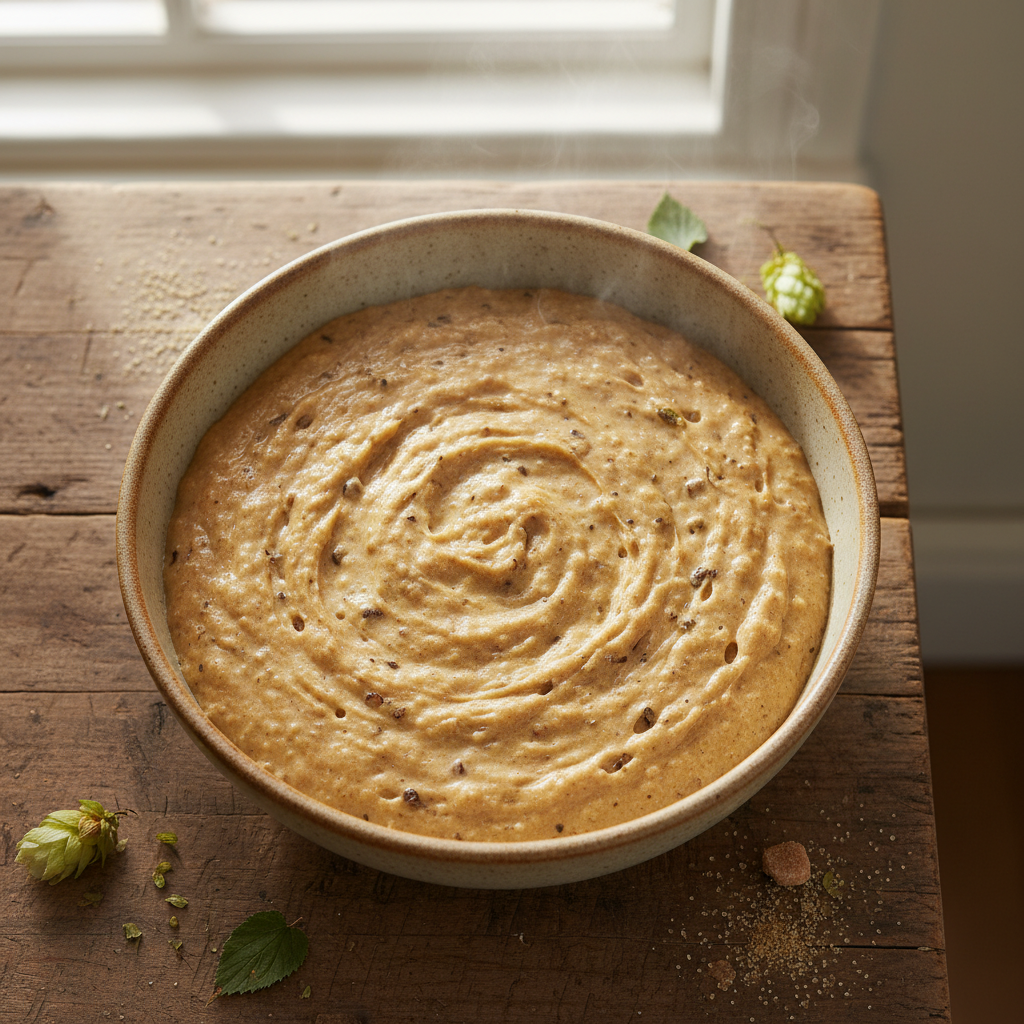
Homemade Bread Leaven (Sourdough Starter)
A traditional bread leaven made with flour, sugar, and hops to create a natural yeast starter for bread baking. This starter will ferment over three days and can leaven 25 pounds of bread dough.
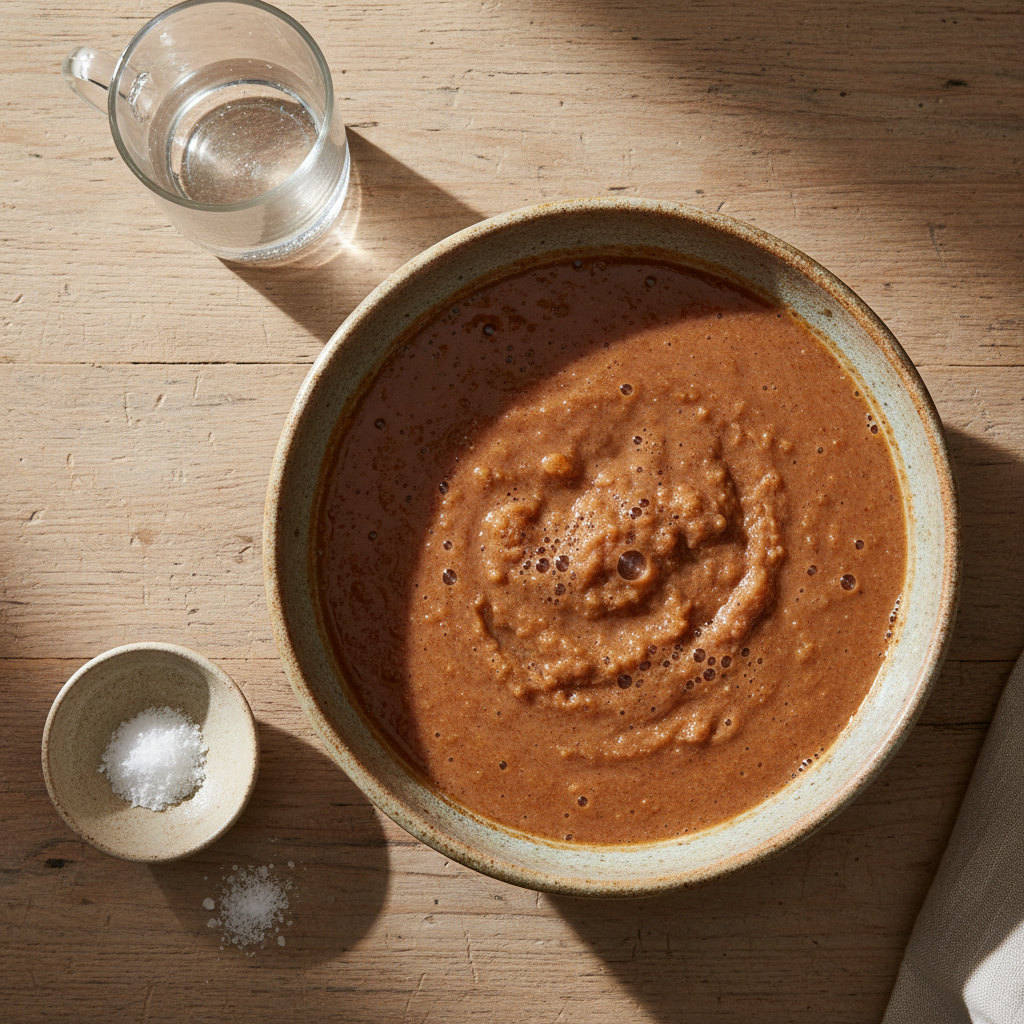
Homemade Yeast (Alternative Method)
An alternative method for making homemade yeast starter using flour, sugar, and water. This recipe produces a liquid yeast suitable for bread making, with one pint capable of leavening eighteen pounds of bread.
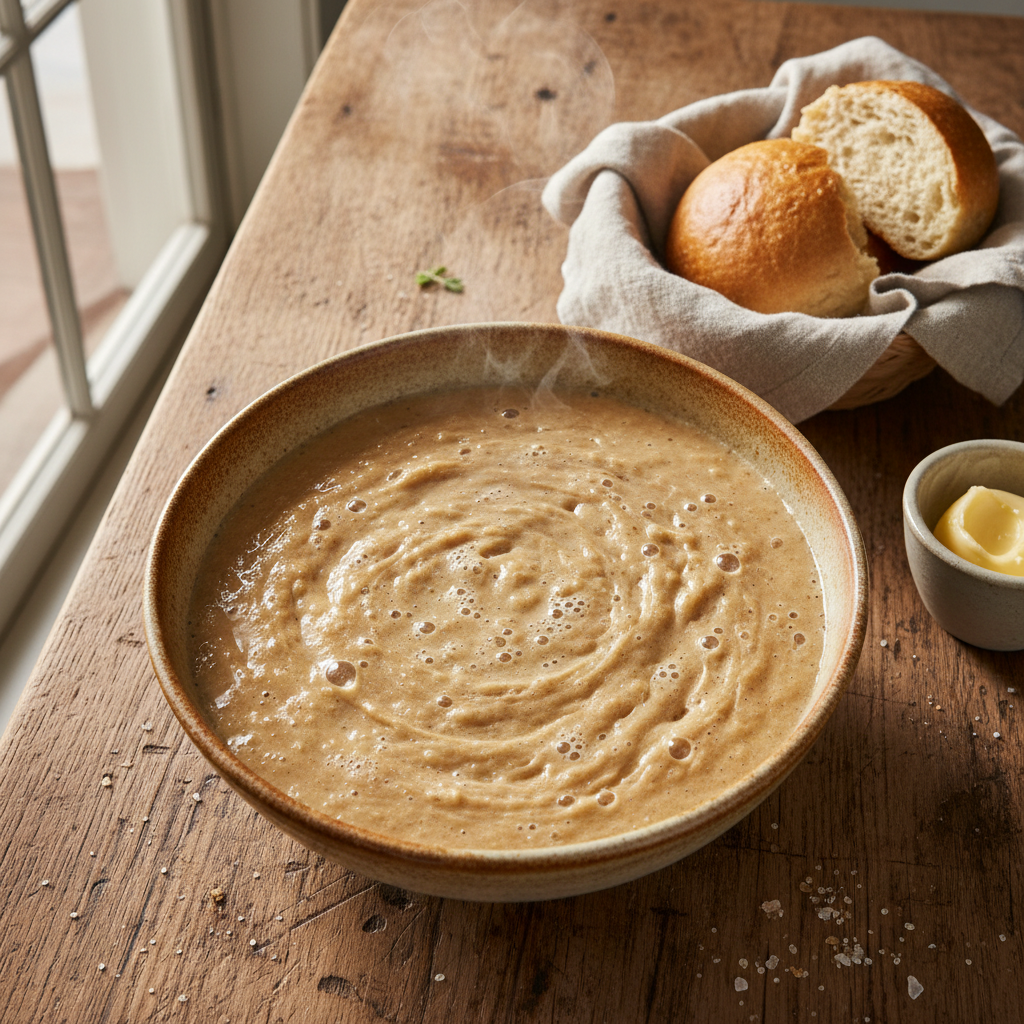
Homemade Yeast (Liquid Starter)
A traditional liquid yeast starter made from flour, sugar, and water. This homemade yeast culture can be used for bread baking and will produce approximately 18 pounds of bread from one pint of starter.
Instructions
- 1Place a medium-sized saucepan on the stove. Add the 1 pint of water, the pinch of salt, the piece of butter (roughly the size of an egg), the tablespoon of sugar, and the finely rasped (grated) peel of 3 lemons. Stir briefly to combine. Set the heat to medium-high and bring the mixture to a full boil. You will see large, rolling bubbles across the surface when it is ready.
- 2Once the mixture is boiling, reduce the heat to medium. Begin adding the plain flour gradually — a few tablespoons at a time — while stirring vigorously with a wooden spoon or heatproof spatula. Keep stirring and adding flour until the mixture comes together into a thick, smooth paste that pulls away cleanly from the sides of the pan. This is a choux-style dough. Stop adding flour once this thick, cohesive paste has formed.
- 3Keep the saucepan on low heat and allow the paste to remain in the pan, undisturbed, for ten minutes. This resting time allows the flour to cook through fully and the paste to dry out slightly, which is important for the beignets to puff up correctly when fried.
- 4Take the saucepan off the heat completely and set it on a heatproof surface. Allow it to cool for 2–3 minutes so it is no longer steaming hot (this prevents the eggs from scrambling). Now add the 2 whole eggs and the 2 egg yolks, one at a time. After adding each egg, beat it vigorously into the paste with a wooden spoon until fully incorporated before adding the next. The paste will look slippery and separated at first — keep beating and it will come back together into a smooth, glossy dough.
- 5Using a clean, dry, grease-free bowl and a hand whisk or electric mixer, whisk the 2 reserved egg whites until they form a light froth — you are looking for soft, foamy peaks rather than stiff peaks. Gently fold the whisked egg whites into the paste using a large spoon or spatula, using slow, sweeping motions to keep as much air in the mixture as possible. The finished mixture should be light and slightly airy.
- 6Allow the completed mixture to rest for a short while — around 5 to 10 minutes — at room temperature. This brief rest allows the dough to relax and ensures a more even result when frying.
- 7Heat sufficient fat in a deep, heavy-bottomed saucepan or deep frying pan until it is boiling and very hot (approximately 170–180 °C / 340–355 °F). To test the heat, drop a tiny piece of the paste into the fat — it should sizzle and rise to the surface immediately. Using two spoons or a small cookie scoop, drop rounded pieces of the mixture — roughly the size of a walnut — into the boiling fat. Do not overcrowd the pan; fry in small batches. The beignets will puff up and become golden brown. Turn them gently with a slotted spoon if needed so they colour evenly. Each batch should take approximately two to three minutes. Remove with a slotted spoon and drain briefly on a plate lined with absorbent paper.
- 8Pile the hot beignets onto a serving dish in a mound. Generously dust them with powdered white sugar (icing sugar / confectioners' sugar) so they are well coated. Serve immediately while hot and puffed.
You Might Also Like
Beignets Soufflés
Light, hollow golden fritters made from a lemon-scented choux-style paste, fried until puffed and coated generously in powdered white sugar. A classic colonial-era treat that is simpler to make than it looks.

FRENCH PUFFS (WINDBEUTEL)
These French Puffs, also known as Windbeutel, are a delightful treat with a light and airy texture, perfect for any occasion. The recipe involves a simple dough that puffs up beautifully when fried, creating a golden-brown exterior and a tender interior. These puffs are then sprinkled with powdered sugar for a sweet and satisfying finish, making them a classic and comforting dessert.

French Doughnuts
These delicate French doughnuts are a delightful treat, much lighter and airier than traditional doughnuts. They're made with a simple batter of milk, water, butter, flour, and eggs, then fried to golden perfection. The final touch of powdered sugar adds a touch of sweetness and elegance, making them perfect for a special breakfast or dessert. The recipe is easy to follow and results in a satisfying, classic pastry.

Sweet Lemon Cinnamon Puffs
These delicate, airy puffs are a delightful cross between a soufflé and a choux pastry, infused with the aromatic warmth of cinnamon and fresh lemon zest. The unique preparation involves cooking a rich base of milk, butter, and flour on the stovetop before lightening it with beaten eggs to create a tender, golden crumb. Perfectly sweet and fragrant, they are best enjoyed warm from the oven accompanied by your favorite fruit jams or jellies.