
Miss Leslie's Jumbles
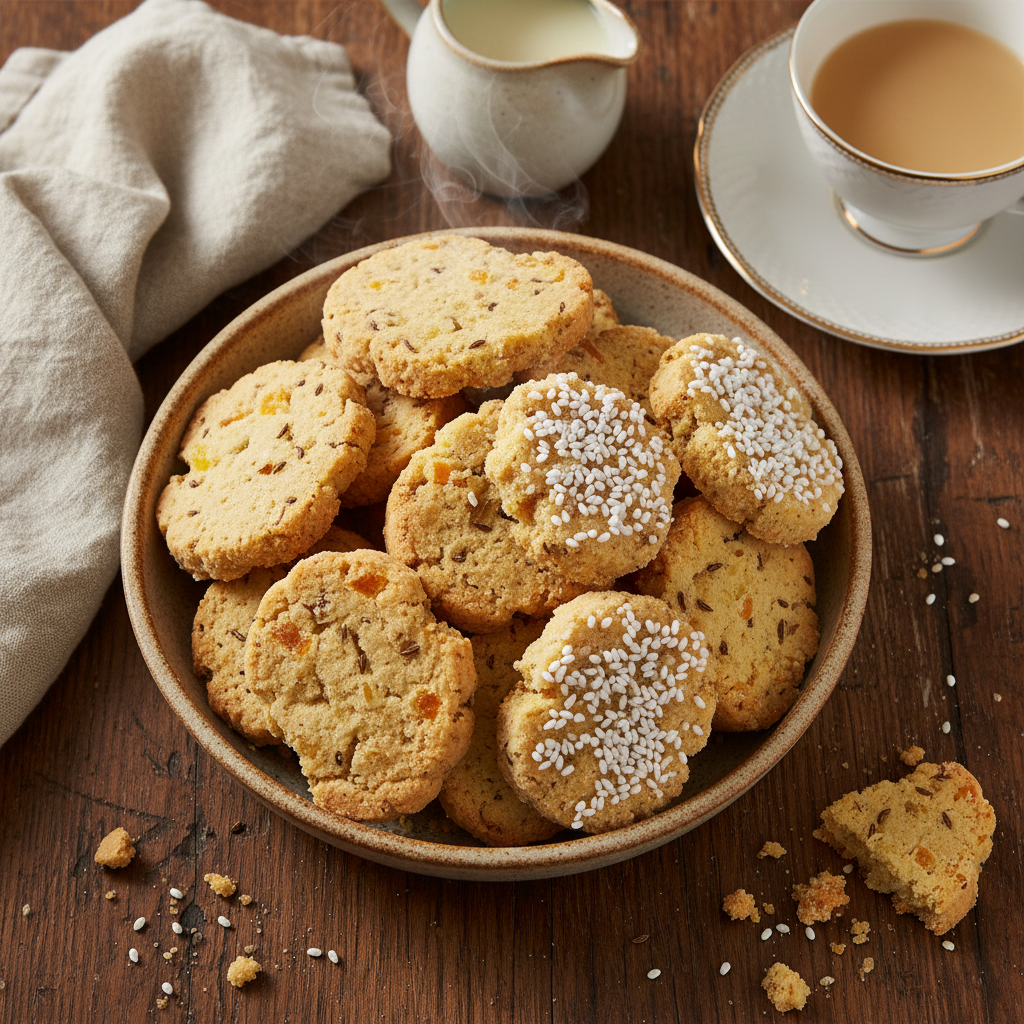
She called for 'the best fresh butter' and meant it — Eliza Leslie had no patience for shortcuts, and by 1848, neither did the half-million Americans who owned her book.
Ingredients
- 225 g (½ lb) unsalted butter (Leslie specifies 'best fresh butter'; use high-fat European-style butter where possible. Original calls for 1 pound; this is a half-batch.)
- 225 g (½ lb) powdered (icing) sugar (Original specifies 'powdered sugar'; fine caster sugar is an acceptable modern substitute.)
- 4 large eggs (Original calls for 8 eggs for a full batch; beat until smooth before adding.)
- 280 g (approx. 10 oz) plain (all-purpose) flour, sifted (Original specifies 1¼ lbs flour to 1 lb butter. Sifting is specified by Leslie and matters for texture.)
- 1 tablespoon rose water (Use food-grade distilled rose water, not rose extract. Leslie specifies 2 tablespoons for a full batch. This is the dominant flavor; do not substitute vanilla.)
- ½ teaspoon freshly grated nutmeg (Part of Leslie's 'mixed spice'; grate whole nutmeg for best result.)
- ¼ teaspoon ground mace (Part of Leslie's specified 'mixed spice' of nutmeg, mace, and cinnamon.)
- ¼ teaspoon ground cinnamon (Part of Leslie's specified 'mixed spice.')
- 1 tablespoon caraway seeds (Leslie specifies 'a handful.' Caraway is structurally important to the period flavor profile; do not omit. Lightly crush if preferred.)
- as needed flour, for rolling (Use sparingly; Leslie's dough is enriched and should remain tender.)
- optional coarse sugar, for sprinkling (Not specified by Leslie but consistent with period practice for dressed-up versions.)
More recipes using Unsalted butter
Instructions
- 1Cream Butter and Sugar. Allow butter to reach cool room temperature — not soft, but yielding. Beat butter and powdered sugar together vigorously by hand or with a stand mixer until the mixture is pale, very light, and creamy. Leslie's instruction 'till very light and creamy' is specific: this step should take 5–7 minutes by machine. Undermixing will produce a dense, flat cookie.
- 2Beat and Incorporate the Eggs. Beat the eggs separately until completely smooth and slightly frothy — Leslie specifies 'perfectly smooth,' meaning no streaks of white remain. Add the beaten eggs to the butter mixture gradually, a little at a time, alternating with spoonfuls of the sifted flour. This alternation prevents the emulsion from breaking, which was Leslie's purpose in specifying it.
- 3Add Flour and Aromatics. Once all egg is incorporated, fold in the remaining flour in two additions. Add the rose water, the mixed spice (nutmeg, mace, cinnamon), and the caraway seeds. Stir until just combined. The dough should be soft but not sticky. If it is too soft to handle, wrap and refrigerate for 30–45 minutes. Do not add additional flour to compensate for warmth; chill instead.
- 4Roll and Cut. On a lightly floured surface, roll the dough to approximately 5mm (¼ inch) thickness. Leslie's Jumbles are traditionally cut as rings or rounds; a plain round cutter of about 5–6 cm works well. Alternatively, roll portions of dough into thin ropes and form into rings, pinching the ends together — the older, pre-cutter method. Place on parchment-lined baking sheets with modest spacing.
- 5Bake. Bake at 175°C (350°F) for 12–15 minutes, until the edges are just beginning to color and the centers appear set but not browned. Leslie's original baking was done in a 'moderate oven,' meaning a lower, steadier heat than most modern baking. The cookies should be pale gold, not tan. They will firm as they cool; do not overbake.
- 6Cool and Store. Allow to cool completely on the baking sheet before transferring. The rose water fragrance intensifies as the cookies cool and rest. They keep well in an airtight tin for 5–7 days, and period accounts suggest they were often made in large batches for this reason. If using coarse sugar, sprinkle immediately upon removing from the oven.
You Might Also Like
Historical
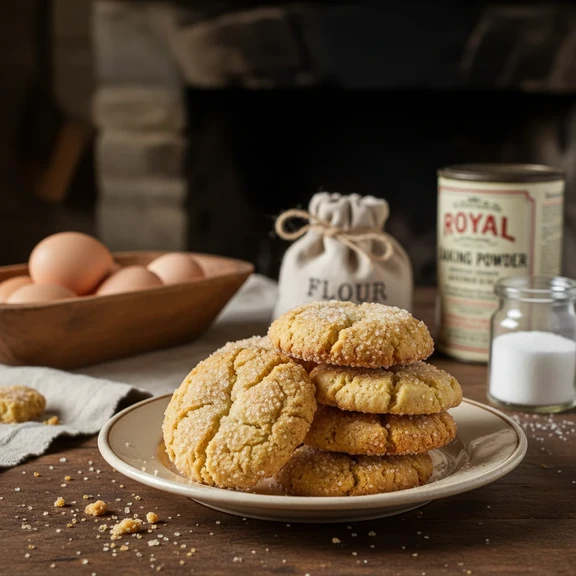
Jumbles No. 1
A classic jumbles recipe from the Royal Baker Pastry Cook.
American
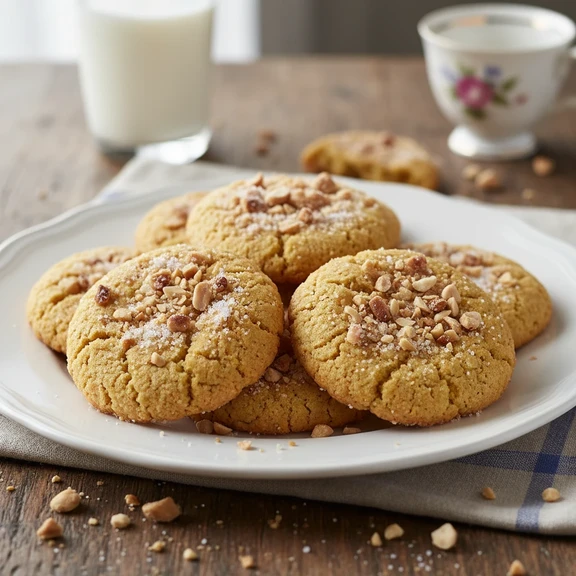
Jumbles No. 2
A classic jumbles recipe.

American
Jumbles
These classic Jumbles are simple, buttery cookies with a delightful grape jelly filling. The combination of a tender cookie base with a sweet, fruity center creates a comforting treat perfect for any occasion. These cookies are a delightful throwback to a simpler time, offering a satisfyingly sweet and nostalgic experience.
Historical
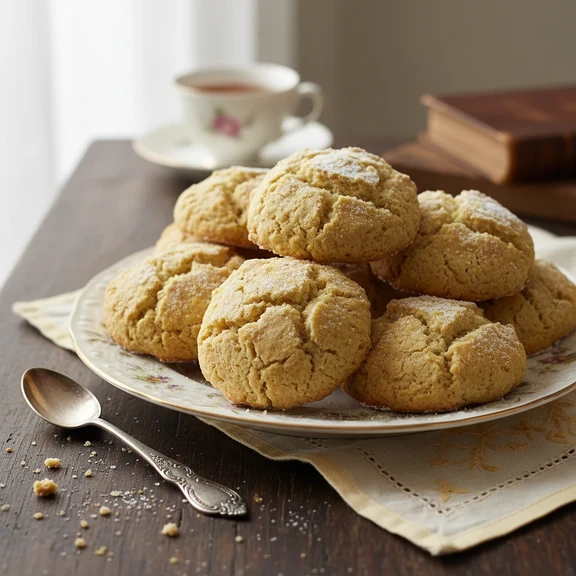
Lemon Biscuit
A simple lemon biscuit recipe from the Royal Baker Pastry Cook.