
Fresh Apricot Jam
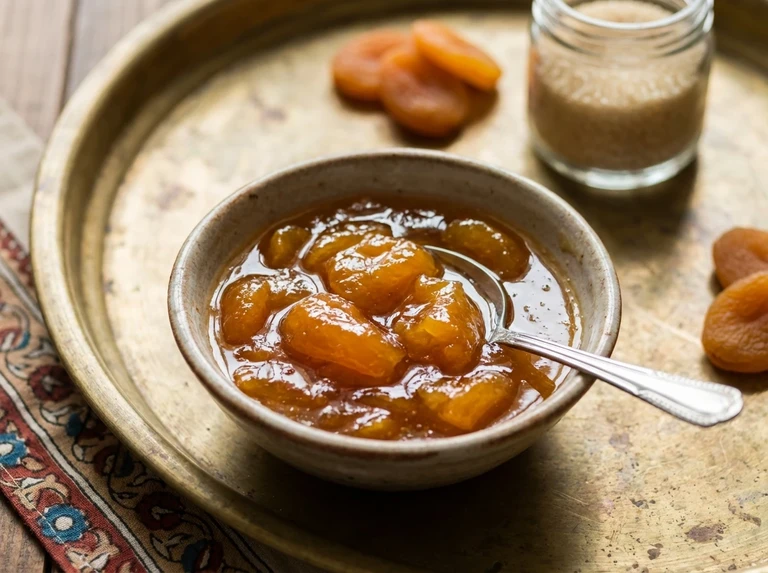
A classic Victorian-era style apricot jam that relies on a long maceration process to extract natural pectin and intensify flavor. Fresh, ripe apricots are peeled and steeped in sugar for twelve hours before cooking, ensuring a vibrant color and rich, concentrated fruit taste. This traditional method produces a luscious, translucent preserve perfect for spreading on toast or filling pastries.
Ingredients
- 1 pound Fresh apricots (Choose sweet, ripe fruit. Originally '1 ratl'.)
- 1 pound Granulated sugar (Originally 'loaf sugar' or 'thick crystalline sugar'. Use standard granulated sugar.)
More recipes using Apricots
Apricot Jam
A simple recipe for making apricot jam.

Apricot Jelly
A simple jelly made from the juice of tinned apricots, perfect for using leftover syrup.

Apricot Sauce
This simple Apricot Sauce recipe from 1900 offers a delightful taste of history with its sweet and tangy flavor. The sauce is made with dried apricots, water, and sugar, creating a rich and satisfying topping. Perfect for serving over ice cream, pancakes, or as a glaze for meats, this sauce adds a touch of elegance to any dish.

Frozen Apricots
This refreshing recipe transforms fresh apricots into a delightful frozen treat, perfect for a hot day. The combination of sweet apricots, tangy lemon juice, and a touch of egg white creates a light and airy texture. This simple dessert is a classic from a bygone era, offering a satisfying and elegant finish to any meal.
Instructions
- 1Select nice, clean, very sweet, and ripe fresh apricots. Peel the skin by hand. If the skin does not come off easily, blanch them briefly in boiling water to peel. Cut the apricots vertically into two pieces and remove the inner stones (pits).
- 2Weigh out exactly one pound of the prepared apricots. Place them in a porcelain or glass vessel (non-reactive bowl). Add the sugar to the fruit. Cover the vessel mouth with a fine cloth and let it stand undisturbed for 12 hours to macerate.
- 3After 12 hours, transfer the mixture to a preserving pan. Bring to a boil over medium-high heat, stirring frequently to prevent burning. Cook until the jam reaches the setting point (about 220°F/105°C or when it wrinkles on a cold plate). Pour into sterilized jars and seal.
You Might Also Like

Apricot Jam
This traditional Parsi-style apricot jam transforms dried apricots into a rich, golden preserve with a deep, concentrated flavor and glossy texture. By soaking the fruit in sugar syrup overnight before the final simmer, the apricots become tender and plump while absorbing the sweetness, resulting in a jewel-like spread that is far superior to quick-cooked versions. This preserve is perfect for enjoying on buttered toast, with warm scones, or as a sweet accompaniment to savory dishes.
Apricot Jam
A simple recipe for making apricot jam.

Peach Jam
This traditional Parsi-style peach preserve captures the essence of ripe summer fruit by cooking the peaches with their pits to impart a subtle, almond-like depth of flavor. The slow maceration process draws out natural juices, creating a rich, golden syrup that suspends tender chunks of fruit in a glossy spread. Perfect for enjoying on buttered toast or as a sophisticated topping for desserts, this jam balances sweetness with the authentic taste of fresh peaches.

Fresh Fig Jam
Sweet, ripe figs are transformed into a luscious, golden preserve in this traditional Parsi recipe. Freshly peeled figs are macerated with sugar to draw out their natural juices, then slow-cooked to a perfect spreadable consistency that retains the fruit's delicate flavor. This simple two-ingredient jam captures the pure essence of figs, making it a delightful topping for breakfast toast or a sweet addition to cheese boards.