
Wheat Starch Milk (Nishasta)
This traditional method extracts pure wheat starch, historically known as 'wheat milk,' from whole grain berries through a multi-day soaking and fermentation process. The resulting pristine white powder is the essential foundation for making authentic, gelatinous Indian sweets like Ice Halwa and Karachi Halwa, offering a texture superior to commercial cornstarch. Once dried in the sun, this homemade starch can be stored for long periods without spoiling, ready to be transformed into delicate desserts.
Ingredients
- 4.5 pounds Whole wheat berries (white variety) (Originally '1 Paili'. A Paili is a historical volume measure approx 4-5 lbs.)
- 2 gallons Water (Quantity estimated for soaking and washing process.)
More recipes using Wheat

Home-Ground Wheat Flour, Maida, and Semolina
This traditional technique outlines the meticulous process of transforming whole wheat grains into three distinct pantry staples: whole wheat flour, refined flour (maida), and semolina (rava). By grinding, sieving, and winnowing the wheat at home, you can separate the grain into specific textures suitable for everything from soft rotis to crispy cutlets. This method ensures the freshest quality flour free from commercial additives, preserving the natural nutty flavor of the wheat.

Wheat Porridge (Kanji)
A nourishing and comforting porridge made from husked wheat berries slow-cooked until tender and creamy. Enriched with fresh milk and lightly sweetened with sugar, this traditional Kanji is finished with crushed almonds for added texture and richness. It serves as a wholesome breakfast or a soothing restorative meal perfect for cold mornings.

Dhanvarai Khandvi (Sweet Wheat Squares)
A traditional Parsi sweet confection made by extracting the starch from wheat (Dhanvarai) and slow-cooking it with rich coconut milk, ghee, and sugar until it forms a glossy, gelatinous halwa. This labor-intensive dessert, distinct from the savory Gujarati snack of the same name, features a translucent texture studded with crunchy almonds and perfumed with aromatic cardamom, nutmeg, and rose water. The mixture is set in trays and cut into delicate, chewy squares, making it a perfect treat for festive occasions.
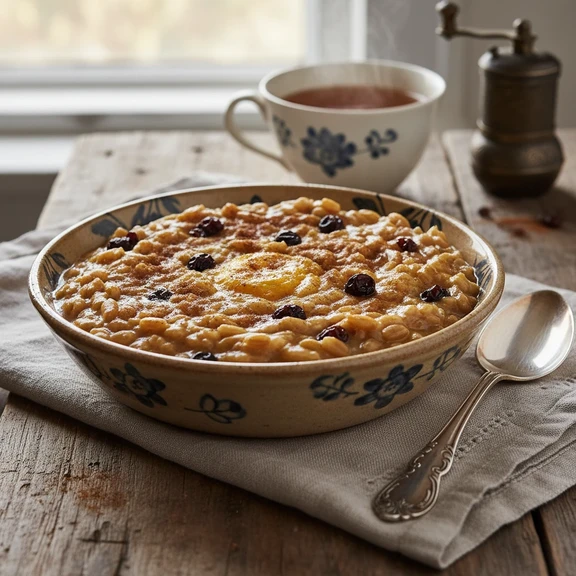
Frumenty
A traditional spiced wheat porridge or pudding, enriched with milk, currants, eggs, and brandy. A classic Anglo-Indian comfort dish that requires slow cooking to tenderize the whole wheat berries.
Instructions
- 1Pick the wheat berries clean and wash them thoroughly. Place them in a tinned vessel (or stainless steel/glass) and pour enough cold water to completely submerge the wheat with water standing above the grain level. Soak for 3 days. During summer, change the water twice a day; in other seasons, change the water once a day.
- 2After 3 days, remove the wheat from the water. Crush the softened wheat finely in a mortar or grind it on a clean stone slab (or use a food processor in short bursts) to break open the grains.
- 3Take a large wide vessel (kathrot) filled with about 4 pounds (approx 2 liters) of cold water. Add the crushed wheat and rub it vigorously with your hands to release the starch. Place a colander or sieve with large holes over a large pot. Pour the wheat and water mixture into it, rubbing the wheat against the sieve with your palm to extract the thick white liquid (milk) into the pot below. Collect the husks remaining in the sieve, crush/rub them again with fresh water two more times to extract any remaining starch, then discard the husks.
- 4Strain the collected thin milk through muslin or fine cheesecloth to remove any small bran particles. Allow the milk to sit undisturbed for a few hours so the starch settles to the bottom. Once settled, carefully pour off the clear water from the top without disturbing the white sediment. Repeat this rinsing process if necessary to ensure purity.
- 5Pour the thick white starch sediment into a clean, thick white cloth. Tie it into a bundle and hang it for 12 to 15 hours to drain excess moisture. Open the bundle; the milk will have hardened into a solid block. Cut this into pieces. Spread a clean white cloth on a mat in a sunny spot and place the pieces on it. Dry thoroughly in the sun until absolutely no moisture remains. This prevents souring and ensures the starch stays fresh.
You Might Also Like

Wheat Starch Halwa (Ghaun-nu Dudh Halwa)
A glossy, gelatinous traditional sweet made from wheat starch, sugar, and ghee, possessing a chewy texture similar to Turkish Delight or Karachi Halwa. This rich dessert is slow-cooked until translucent and golden, then infused with the aromatic warmth of cardamom, nutmeg, and rose water. A classic Parsi delicacy often served on special occasions, garnished with crunchy almonds for a delightful contrast.

Fried Wheat Milk Halwa
A rich and unique Parsi sweet dish made from dried wheat starch (wheat milk) that is rehydrated and slow-cooked in ghee and sugar. This traditional preparation transforms into translucent, gelatinous morsels with a chewy texture, studded with crunchy fried almonds and perfumed with cardamom, nutmeg, and rose water. Often compared to a rustic version of Bombay Ice Halwa, it offers a delightful contrast of textures and a deep, buttery flavor profile.

Wheat Milk Pudding
This traditional Gujarati dessert transforms simple wheat starch into a glossy, trembling pudding with a delicate texture similar to a firm blancmange. The wheat milk is painstakingly washed to remove acidity before being slow-cooked with rich buffalo milk and sugar until it achieves a luscious, thick consistency. Perfumed with aromatic rose water and optional saffron, this elegant sweet sets into a moldable form that melts in the mouth, making it a soothing and sophisticated treat.

Wheat Milk Kanji (Porridge)
A soothing and restorative traditional porridge, this Wheat Milk Kanji combines the creamy richness of milk with the strengthening properties of wheat starch. The dish is texturally complex, featuring a ground paste of almonds, pistachios, and 'Char Magaj' (a blend of four cooling melon seeds) that provides nutty depth to the smooth base. Finished with the aromatic trio of rose water, cardamom, and nutmeg, this warm pudding serves as an elegant comfort food or a nourishing breakfast.