
Home-Ground Wheat Flour, Maida, and Semolina
This traditional technique outlines the meticulous process of transforming whole wheat grains into three distinct pantry staples: whole wheat flour, refined flour (maida), and semolina (rava). By grinding, sieving, and winnowing the wheat at home, you can separate the grain into specific textures suitable for everything from soft rotis to crispy cutlets. This method ensures the freshest quality flour free from commercial additives, preserving the natural nutty flavor of the wheat.
Ingredients
- 4 pounds Whole wheat grains (Quantity estimated for a standard batch. Ensure grains are clean and high quality.)
More recipes using Wheat

Wheat Starch Milk (Nishasta)
This traditional method extracts pure wheat starch, historically known as 'wheat milk,' from whole grain berries through a multi-day soaking and fermentation process. The resulting pristine white powder is the essential foundation for making authentic, gelatinous Indian sweets like Ice Halwa and Karachi Halwa, offering a texture superior to commercial cornstarch. Once dried in the sun, this homemade starch can be stored for long periods without spoiling, ready to be transformed into delicate desserts.

Wheat Porridge (Kanji)
A nourishing and comforting porridge made from husked wheat berries slow-cooked until tender and creamy. Enriched with fresh milk and lightly sweetened with sugar, this traditional Kanji is finished with crushed almonds for added texture and richness. It serves as a wholesome breakfast or a soothing restorative meal perfect for cold mornings.
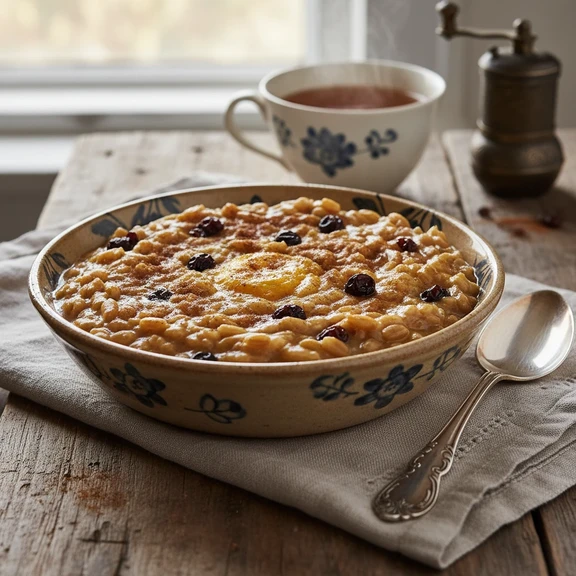
Frumenty
A traditional spiced wheat porridge or pudding, enriched with milk, currants, eggs, and brandy. A classic Anglo-Indian comfort dish that requires slow cooking to tenderize the whole wheat berries.
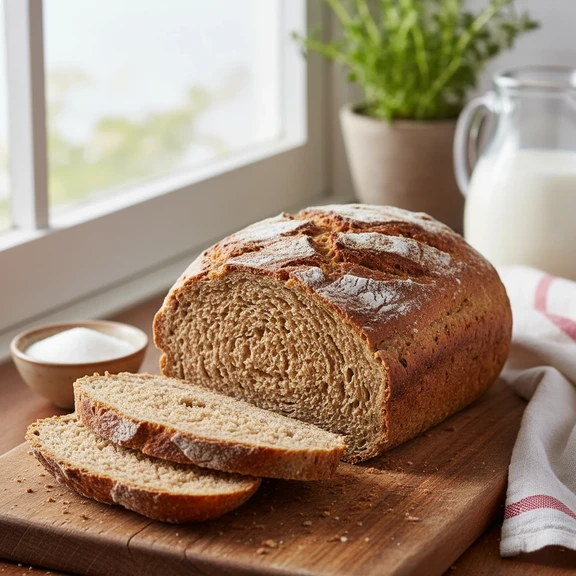
Whole Wheat Bread
A simple recipe for whole wheat bread, using scalded milk and a touch of sweetness from sugar or molasses.
Instructions
- 1Thoroughly clean the whole wheat grains to remove any impurities. Grind the wheat into flour using a mill or heavy-duty grinder.
- 2Sieve the ground flour into a large wide vessel (khuncha) using a standard wire sieve (traditionally called a 'khero'). The mixture that passes through contains fine semolina mixed with refined flour. This combined mixture is known as 'home-ground flour' and is suitable for making rotis, parathas, and malida.
- 3Take the coarse residue remaining in the sieve, which consists of coarse semolina mixed with bran (thulu). Place this mixture in a winnowing fan (supra) and winnow it. The light bran will fly out, leaving behind the clean, coarse semolina (jado ravo). Reserve this coarse semolina for making cutlets, patties, or savory snacks.
- 4To separate pure refined flour (maida) from the fine semolina in the first mixture (from Step 2), sieve the 'home-ground flour' again using a very fine muslin cloth or a fine-mesh sieve. The fine powder that passes through is pure maida, while the fine semolina will remain in the cloth.
You Might Also Like

Washed or Wet Rice Flour
This foundational technique produces a specialized "wet" rice flour essential for specific traditional Parsi and Gujarati confections. Unlike standard dry rice flour, this method involves washing and shade-drying the grains to retain specific internal moisture before grinding, resulting in a flour with unique binding properties. It is particularly crucial for recipes requiring a delicate texture that store-bought dry flour cannot replicate, offering a superior result for authentic preparations.
Wheat Starch Milk (Nishasta)
This traditional method extracts pure wheat starch, historically known as 'wheat milk,' from whole grain berries through a multi-day soaking and fermentation process. The resulting pristine white powder is the essential foundation for making authentic, gelatinous Indian sweets like Ice Halwa and Karachi Halwa, offering a texture superior to commercial cornstarch. Once dried in the sun, this homemade starch can be stored for long periods without spoiling, ready to be transformed into delicate desserts.

Wheat Kurdai (Sun-Dried Wheat Fryums)
Crunchy, airy, and expanding to triple their size when fried, these traditional sun-dried wheat fryums are a nostalgic Indian snack. Made from fermented wheat milk cooked into a translucent dough and pressed into intricate spirals, they dry into hard discs that transform into delicate, snowy-white treats in hot ghee. Perfect as a crispy accompaniment to meals or a savory tea-time snack.

Potato Flour (Homemade Potato Starch)
This traditional method produces pure, homemade potato starch from scratch, resulting in a pristine white powder that serves as an excellent thickening agent. By repeatedly washing grated potatoes to extract the starch and sun-drying the sediment, you create a versatile pantry staple that acts as a superior substitute for arrowroot. This light, digestible flour is perfect for thickening soups or making delicate puddings suitable for children and convalescents.