
Homemade Coconut Oil
This traditional method produces pure, cold-pressed coconut oil using nothing but fresh mature coconuts and the natural heat of the sun. The process involves finely grating the white coconut meat and sun-drying it until the moisture evaporates, allowing the rich oil to be extracted by hand. The result is a crystal-clear, aromatic oil that is free from preservatives and perfect for both culinary and cosmetic applications.
Ingredients
- 2 whole Mature coconuts (Select fresh, heavy coconuts with water inside.)
More recipes using Coconut

Coconut Oil (Method 2)
This traditional method extracts pure, crystal-clear coconut oil directly from fresh, ripe coconuts through a slow-simmering process. The technique involves extracting rich coconut milk and gently heating it until the water evaporates, leaving behind aromatic oil and a caramelized residue. The leftover reddish solids are a delightful bonus treat when mixed with a little sugar, offering a sweet and nutty finish to the process.

Coconut Chikki
This traditional sweet transforms fresh coconut into a crisp, golden brittle by meticulously removing the milk and dry-roasting the shreds to concentrate their flavor. The prepared coconut is folded into a rich, caramelized jaggery syrup, creating a confection that balances the chewy texture of the nut with the snap of hard candy. Perfect for festivals or as a tea-time snack, this chikki offers a deep, earthy sweetness with a delightful crunch in every bite.

Toffee Coconut 2
A rich, chewy traditional sweet made from grated coconut and jaggery, cooked to a fudge-like consistency. This unique variation uses fresh coconut pulp with the milk squeezed out, allowing it to absorb the deep caramel notes of the jaggery syrup enriched with ghee. The result is a dense, golden confection with a satisfying texture that sits perfectly between a soft fudge and a chewy toffee.
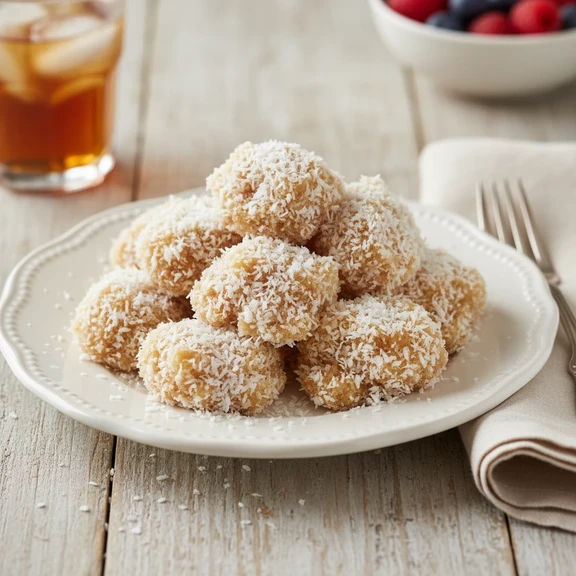
Cocoanut Cream Candy
A simple candy recipe using coconut, sugar, and heat.
Instructions
- 1Select two sound, mature coconuts. Clean the outer shells and break them into two equal halves. Using a fine coconut scraper or grater, grate the white flesh very finely into a texture resembling semolina (rava). Be careful to grate only the white meat and avoid the brown skin near the shell.
- 2Spread the grated coconut in a thin layer on a tin-coated tray or flat dish. Place it in strong, direct sunlight. Stir gently and frequently with a light hand to ensure even drying without crushing the flakes. Continue this process until the coconut is completely dry, loose, and releases oil (not milk) when a pinch is squeezed between fingers.
- 3Take a strong, clean piece of white muslin or cotton cloth (about 12 inches square). Place a small batch of the dried coconut (about the size of a lime) into the center of the cloth. Gather the corners, twist the cloth tightly, and squeeze firmly to extract the oil into a small bowl. Repeat this process in batches until all oil is extracted. Discard the dry residue.
- 4Cover the extracted oil and let it sit undisturbed until the next day to allow sediments to settle. The following day, filter the oil through a clean muslin cloth into a glass bottle.
- 5Tie a piece of cloth over the mouth of the bottle (do not use a cork yet) and place the bottle in the sun daily for about one month. This process clarifies the oil, making it look like clear water, and prevents it from going rancid. After a month, cork the bottle. If any sediment forms at the bottom after 3-4 months, decant the clear oil into a fresh bottle.
You Might Also Like
Coconut Oil (Method 2)
This traditional method extracts pure, crystal-clear coconut oil directly from fresh, ripe coconuts through a slow-simmering process. The technique involves extracting rich coconut milk and gently heating it until the water evaporates, leaving behind aromatic oil and a caramelized residue. The leftover reddish solids are a delightful bonus treat when mixed with a little sugar, offering a sweet and nutty finish to the process.

Coconut Milk
Traditional method for extracting fresh coconut milk from grated coconut using hot water. This produces rich, creamy coconut milk perfect for curries and other dishes.

Sweet Dry Coconut Khaman
This traditional Parsi sweet preparation transforms dried coconut (copra) into a rich, aromatic dessert known as Khaman. Similar to the classic Copra Pak but with a significantly lighter sweetness, it features freshly grated coconut cooked in a delicate sugar syrup and studded with fried currants for a delightful textural contrast. Best enjoyed fresh on the day it is made, this golden, crumbly sweet offers the warm, comforting flavors of cardamom and nutmeg in every bite.
Coconut Chikki
This traditional sweet transforms fresh coconut into a crisp, golden brittle by meticulously removing the milk and dry-roasting the shreds to concentrate their flavor. The prepared coconut is folded into a rich, caramelized jaggery syrup, creating a confection that balances the chewy texture of the nut with the snap of hard candy. Perfect for festivals or as a tea-time snack, this chikki offers a deep, earthy sweetness with a delightful crunch in every bite.