
Banbury Cakes
These traditional Banbury Cakes feature a flaky, golden puff pastry casing filled with a rich, aromatic mixture of currants, candied citrus peels, and warm spices. The unique addition of crushed ratafia biscuits and semolina creates a dense, flavorful interior that contrasts perfectly with the crisp, buttery pastry layers. Sweet, spicy, and satisfying, these rectangular pastries are best enjoyed warm from the oven with a dusting of powdered sugar.
Ingredients
- 1/2 pound Dried currants (Cleaned and dried.)
- 1/4 pound Semolina (Originally 'soji'.)
- 1/4 pound Butter (Softened.)
- 1/4 pound Ratafia biscuits or Amaretti cookies (Originally 'ratafia cakes'. Use amaretti cookies as a modern substitute.)
- 3 ounces Candied orange peel (Originally '7 tolas'. Finely chopped.)
- 3 ounces Candied citron peel (Originally '7 tolas malunga'. Finely chopped.)
- 1 tablespoon Ground spices (Cardamom, Nutmeg, Mace) (Originally '1 tola' mixed. Use equal parts of each.)
- 2 pounds Puff pastry (Or 2 standard packages/sheets. Originally called for homemade paste using 1 lb flour.)
- 2 tablespoons Powdered sugar (For dusting.)
- 2 tablespoons Water (For sealing pastry.)
More recipes using Currants

Currant Cake
A rich and aromatic Parsi-style fruit cake loaded with dried currants, candied citrus peel, and warm spices like nutmeg and mace. This historical recipe uses a classic pound cake method, relying on fourteen eggs and vigorous beating to create a dense, buttery crumb perfumed with rose water and brandy. Perfect for tea time or special celebrations, it offers a delightful balance of sweet fruit and savory spice.

Currant Tart
Layers of sweet dried currants and sugar create a rich, jammy filling inside this traditional Parsi puff pastry tart. The golden crust is finished with a unique glaze of beaten egg white, powdered sugar, and nutty charoli seeds, adding a delightful crunch and sheen. A comforting dessert perfect for afternoon tea or festive gatherings.

Currant Cake (English)
A classic English currant cake recipe from 1888.
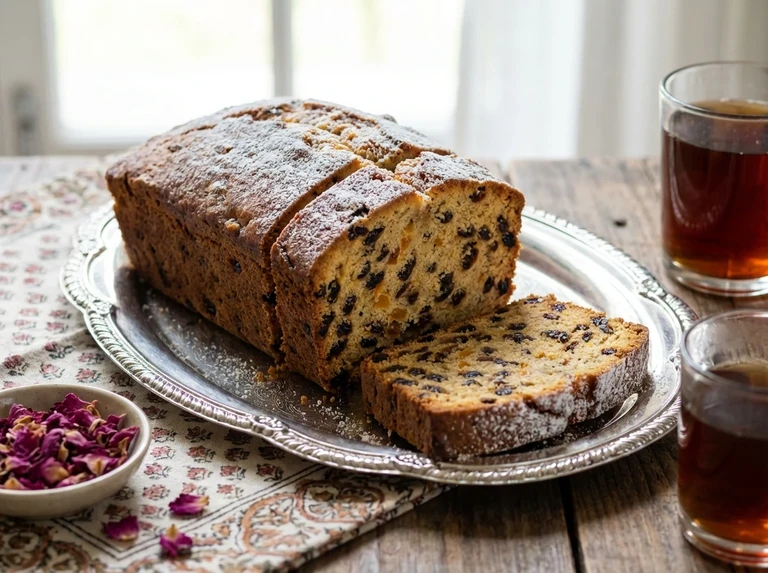
Currant Cake
A classic currant cake recipe from 1888.
Instructions
- 1Clean, wash, and thoroughly dry the currants. Crush the ratafia biscuits (or amaretti cookies) into a fine powder resembling flour.
- 2In a large bowl, combine the dried currants, semolina, softened butter, crushed biscuit powder, chopped candied orange and citron peels, and the ground spice mixture (cardamom, nutmeg, and mace). Mix thoroughly until well combined.
- 3Preheat oven to 400°F (200°C). Roll out the puff pastry into two equal square sheets. Place one sheet on a baking surface. Spread the prepared filling evenly over this sheet, leaving a clean 1-inch border around all four edges. Brush the empty border with water.
- 4Place the second sheet of pastry carefully over the filling, aligning it with the bottom sheet. Press the edges firmly to seal them together. Using a sharp knife, score or cut through the top pastry to mark individual cakes approximately 2 inches wide and 3 inches long. Do not separate the pieces yet; keep them together on the tray.
- 5Bake in the preheated hot oven (400°F / 200°C) for 20-25 minutes until the pastry is puffed and golden brown. Remove from the oven and, while still hot, cut along the previously marked lines to separate the individual cakes. Dust generously with powdered sugar using a sieve.
You Might Also Like

Modern Banbury Tarts
A modernized version of classic Banbury Tarts, featuring a sweet raisin filling encased in flaky pastry.

Nagpur Cake Biscuits
These traditional tea-time treats, historically known as Nagpur Cakes, are actually rich, buttery biscuits studded with sweet dried currants and flavored with a hint of brandy. The tender dough is rolled thick and baked to a golden crisp, finished with a classic glaze of egg white and sparkling coarse sugar for added texture. Perfectly crumbly and moderately sweet, they make an elegant accompaniment to afternoon tea or coffee.

Cake Burnage
These unique Parsi tea-time cakes combine the tenderness of cooked rice with a rich, buttery flour dough to create a texture somewhere between a scone and a biscuit. The preparation involves cooking rice in milk until creamy before kneading it into a dough with eggs and butter, resulting in a savory-sweet treat with a golden, crispy exterior. Best enjoyed warm with a cup of tea, these traditional cakes offer a delightful glimpse into historical colonial-era fusion cuisine.

Queen Cakes
These delightful Queen Cakes are individual, muffin-sized treats rich with the flavors of currants and candied orange peel. A classic Parsi tea-time favorite, the batter is prepared using the traditional creaming method to ensure a tender, buttery crumb that perfectly balances the sweetness of the dried fruit. Best served warm with tea, these golden cakes offer a nostalgic taste of colonial-era baking.