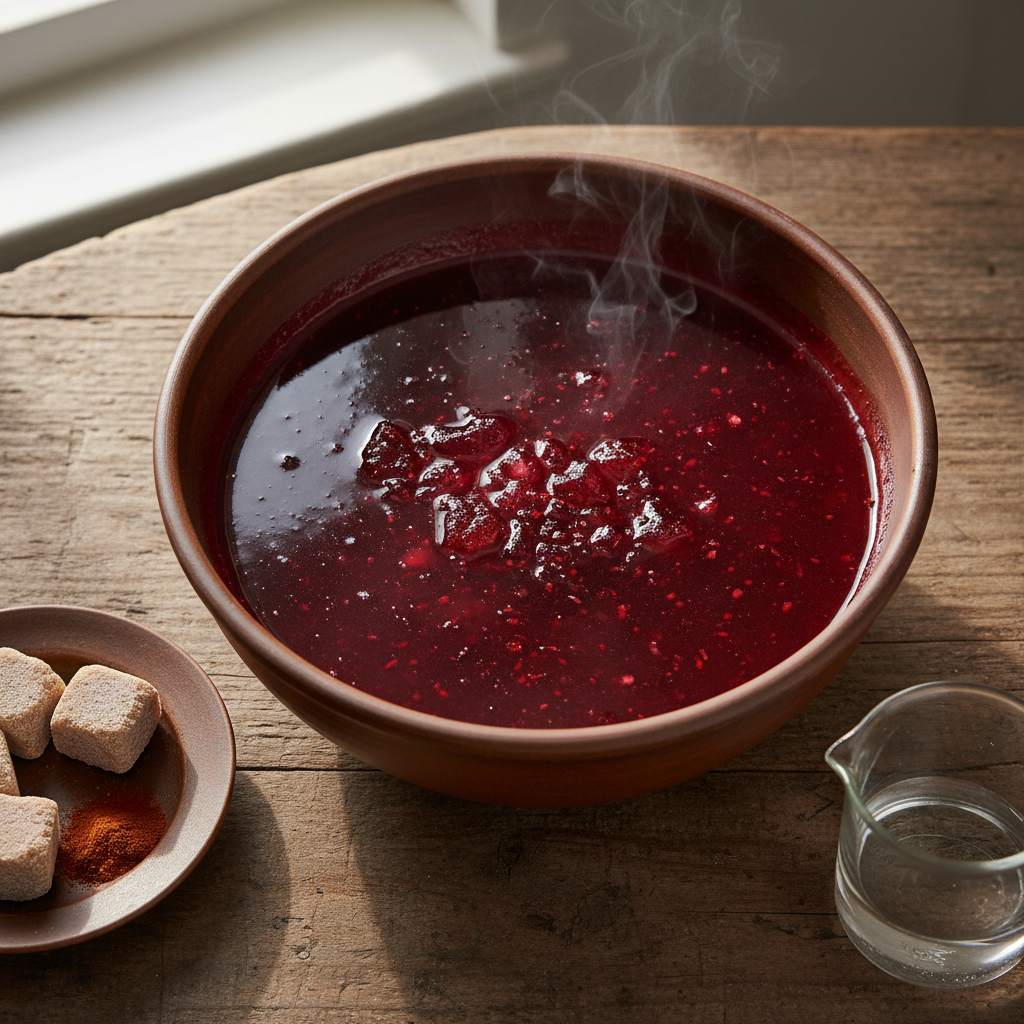
Historical Whooping Cough Remedy (Not for Modern Use)
A historical 19th-century remedy for whooping cough using potassium carbonate (salts of tartar) and cochineal. This recipe is presented for historical interest only and should NOT be used as medical treatment. Modern whooping cough requires professional medical care, vaccination, and antibiotics.
Ingredients
- 1 scruple (approximately 1.3 grams or 1/4 teaspoon) Potassium carbonate (salts of tartar) (Historical ingredient - do not use for medical purposes)
- 0.25 pint (approximately 1/2 cup or 120ml) Water (For dissolving the mixture)
- 10 grains (approximately 0.65 grams or 1/8 teaspoon) Cochineal (carmine red dye) (Natural red dye from insects, used historically as coloring)
- 1 tablespoon Sugar (To sweeten the mixture)
Instructions
- 1Measure 1 scruple (approximately 1/4 teaspoon) of potassium carbonate (salts of tartar) and dissolve it completely in 1/4 pint (1/2 cup or 120ml) of water, stirring until fully dissolved
- 2Add 10 grains (approximately 1/8 teaspoon) of cochineal powder to the dissolved mixture and stir well to incorporate the coloring agent
- 3Add approximately 1 tablespoon of sugar to the mixture and stir until completely dissolved to make the remedy palatable
- 4Historical dosage was: for infants, 1/4 tablespoon four times daily; for two-year-olds, 1/2 tablespoon four times daily; for children four years and older, 1 tablespoon four times daily. WARNING: This is historical information only. Do not administer this remedy. Whooping cough (pertussis) is a serious bacterial infection requiring modern medical treatment including antibiotics and supportive care. Consult a physician immediately if whooping cough is suspected.
Nutrition Facts
You Might Also Like
Historical Topical Lotion for Whooping Cough (Antimony and Cantharidin) - DO NOT USE
A historical medical preparation containing emetic tartar (antimony potassium tartrate) and tincture of Spanish fly (cantharidin) used topically for whooping cough. This recipe is presented for historical interest only and should NEVER be prepared or used, as it contains highly toxic substances that can cause severe skin damage, systemic poisoning, and death. Modern whooping cough treatment requires professional medical care.

Roche's Embrocation for Whooping Cough (Historical Topical Remedy)
A historical topical chest rub combining olive oil, oil of amber, and oil of cloves, used in the 19th century for whooping cough and children's coughs. This is a historical remedy and should not replace modern medical treatment. For informational purposes only.
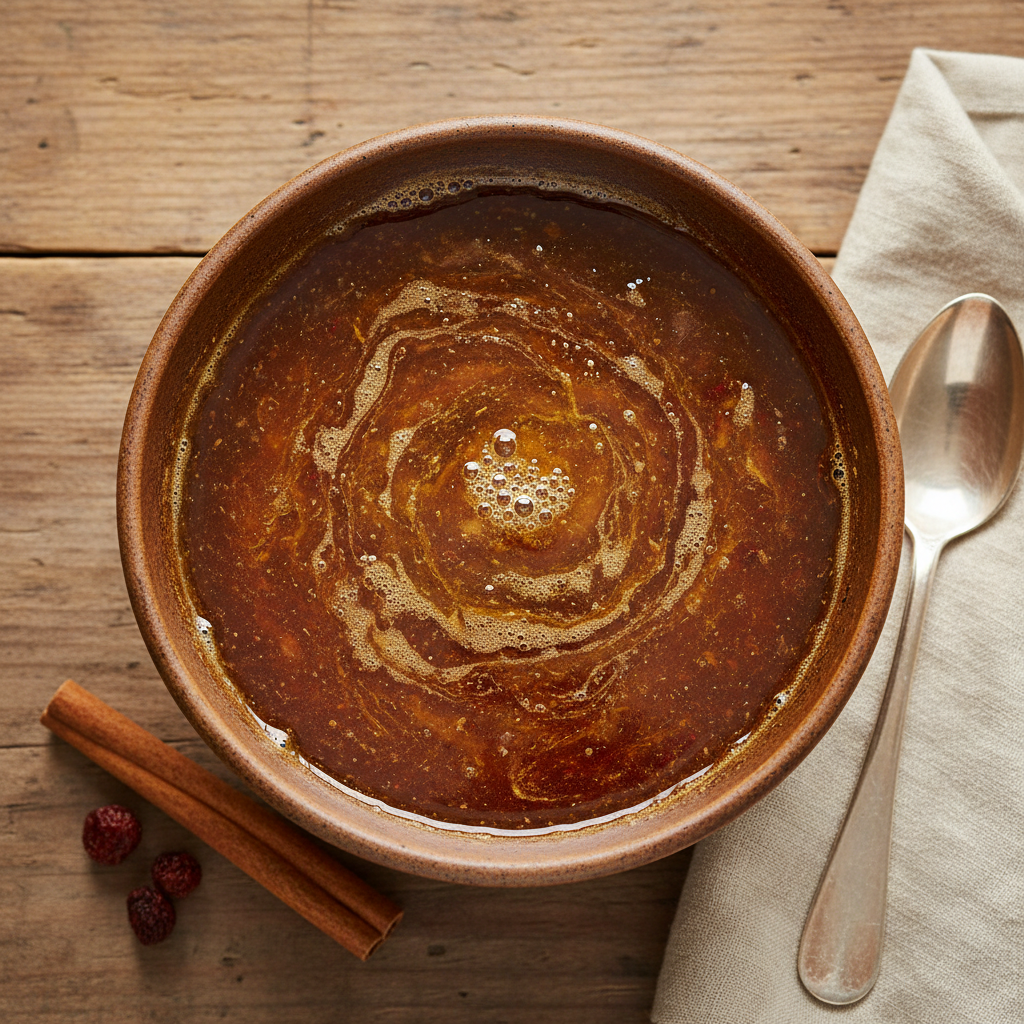
Honey and Vinegar Cough Syrup
A traditional homemade cough remedy combining honey, treacle (molasses), vinegar, and ipecacuanha wine. This pleasant-tasting mixture was historically used for recent coughs in both adults and children. Note: This is a historical recipe and should not replace modern medical advice or treatment.

Prickly Pear Syrup (Cough Remedy)
This traditional medicinal syrup harnesses the soothing properties of ripe prickly pear fruit to create a natural remedy for coughs and asthma. The ruby-red cactus pears are simmered to extract their essence, then reduced with sugar into a thick, honey-like consistency. While originally designed as a medicinal tonic, its vibrant color and unique flavor make it an excellent topping for ice creams and desserts.