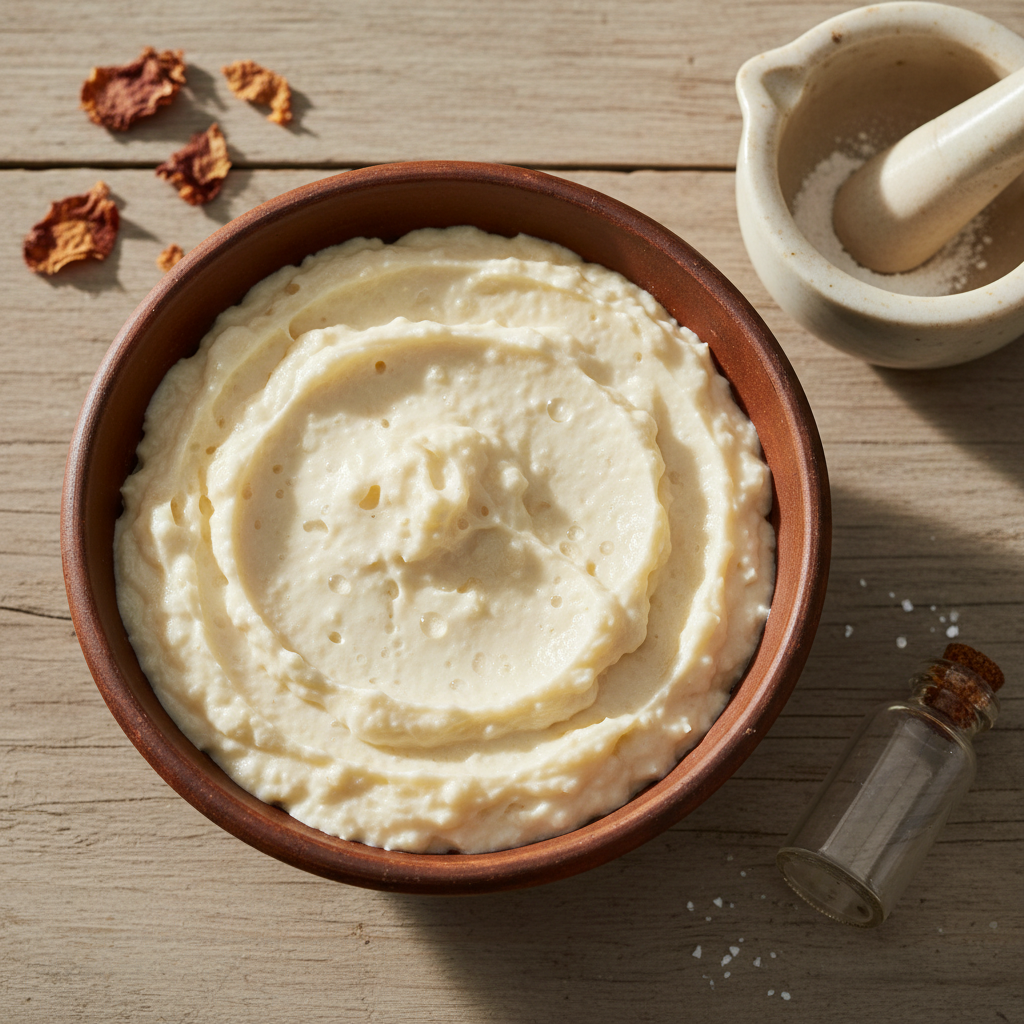
Historical Topical Lotion for Whooping Cough (Antimony and Cantharidin) - DO NOT USE
A historical medical preparation containing emetic tartar (antimony potassium tartrate) and tincture of Spanish fly (cantharidin) used topically for whooping cough. This recipe is presented for historical interest only and should NEVER be prepared or used, as it contains highly toxic substances that can cause severe skin damage, systemic poisoning, and death. Modern whooping cough treatment requires professional medical care.
Ingredients
- 1 drachm (approximately 3.9 grams) Emetic tartar (antimony potassium tartrate) - TOXIC (Highly toxic antimony compound - causes severe poisoning, skin damage, and can be fatal. Never use.)
- 2 ounces (approximately 60 ml) Common water (Used as solvent)
- 0.5 ounce (approximately 15 ml) Tincture of Spanish fly (cantharidin) - TOXIC (Extremely toxic blistering agent derived from blister beetles. Causes severe burns, kidney damage, and can be fatal through skin absorption. Never use.)
- 1 ounce (as needed) Simple white ointment (Historical remedy used to treat pustules caused by the toxic lotion)
Instructions
- 1Historical method: Dissolve one drachm of emetic tartar in two ounces of common water. NEVER ACTUALLY DO THIS - emetic tartar is highly toxic and can cause severe poisoning through skin contact.
- 2Historical method: Add half an ounce of tincture of Spanish fly to the dissolved emetic tartar solution. NEVER ACTUALLY DO THIS - cantharidin is extremely toxic and causes severe chemical burns and systemic poisoning.
- 3Historical method: Rub the lotion into the chest night and morning for about a week. This would create redness and pustules (blisters). NEVER ACTUALLY DO THIS - this preparation causes severe chemical burns, tissue damage, and can lead to fatal systemic poisoning through skin absorption.
- 4Historical method: After pustules appear, apply only once daily. If the area becomes very sore, discontinue use and anoint pustules twice daily with simple white ointment. NEVER ACTUALLY DO THIS - seek modern medical care instead.
- 5Historical method: In severe cases, continue using the lotion until a large number of pustules appear and keep them discharging with occasional applications. NEVER ACTUALLY DO THIS - this would cause extensive tissue damage, scarring, and potentially fatal poisoning. Modern whooping cough requires antibiotics and supportive care from medical professionals.
You Might Also Like
Historical Whooping Cough Remedy (Not for Modern Use)
A historical 19th-century remedy for whooping cough using potassium carbonate (salts of tartar) and cochineal. This recipe is presented for historical interest only and should NOT be used as medical treatment. Modern whooping cough requires professional medical care, vaccination, and antibiotics.

Roche's Embrocation for Whooping Cough (Historical Topical Remedy)
A historical topical chest rub combining olive oil, oil of amber, and oil of cloves, used in the 19th century for whooping cough and children's coughs. This is a historical remedy and should not replace modern medical treatment. For informational purposes only.
Historical Ringworm Treatment (Not for Modern Use)
A historical topical treatment for ringworm from the 19th century using ammonia from gas tar, soft soap, and sulphur with treacle. This recipe is preserved for historical interest only and should NOT be used. Modern antifungal medications are safe, effective, and readily available from pharmacies and doctors.

Herbal Expectorant Emulsion for Persistent Coughs
A traditional herbal remedy combining gum ammoniac with almond emulsion to help relieve chronic coughs and asthma symptoms when no inflammation is present. This expectorant mixture was historically used for respiratory support.