
Potted prawns
A classic Madras-style potted prawn paste, seasoned with anchovy sauce, mixed spice, and butter, perfect spread on toast, served with cheese, or used as a sandwich filling. This historical recipe from colonial India is simple to prepare and delivers a rich, savoury flavour.
Ingredients
- 500 g prawns (Select nice sized prawns; raw and shell-on if possible)
- 1 tablespoon melted butter (For tossing the prawns in the frying pan)
- 1 pinch salt (To season the paste; adjust to taste)
- 1 pinch white pepper (To season the paste; adjust to taste)
- 1 pinch red pepper (To season the paste; cayenne or ground red chilli; adjust to taste)
- 4 drops anchovy sauce (Just a few drops; adds a deep savoury note)
- 1 pinch pounded mixed spice (Use shop-bought mixed spice or pound whole spices yourself; a small amount only)
- 2 tablespoons freshly made butter (Use the best quality unsalted butter you can find; at room temperature for easy mixing)
- 1 spoonful melted butter (For sealing the surface of the potted paste in the jar)
More recipes using Prawns
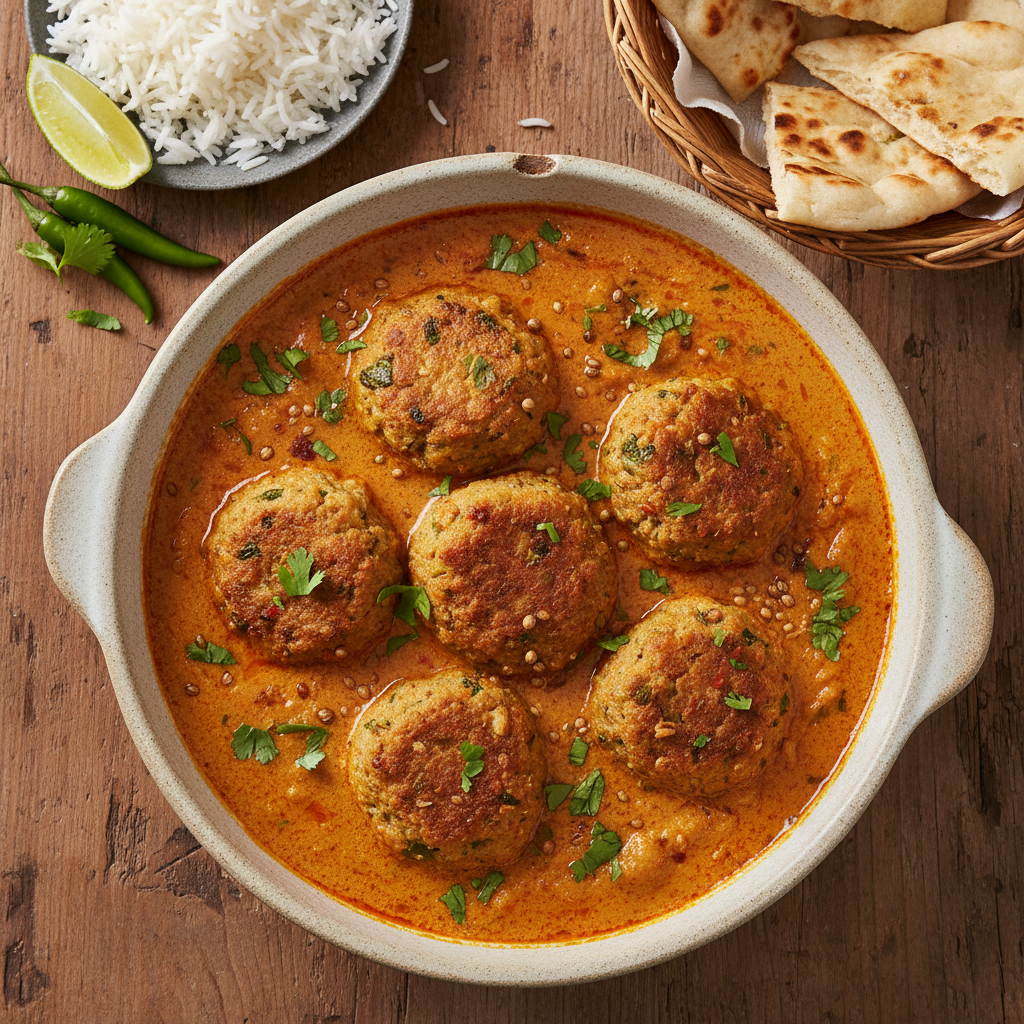
Prawn Kofta Curry
Spiced prawn meatballs simmered in a fragrant curry sauce made from prawn shells and aromatic spices. A traditional Anglo-Indian dish featuring delicate seafood koftas in mustard oil.
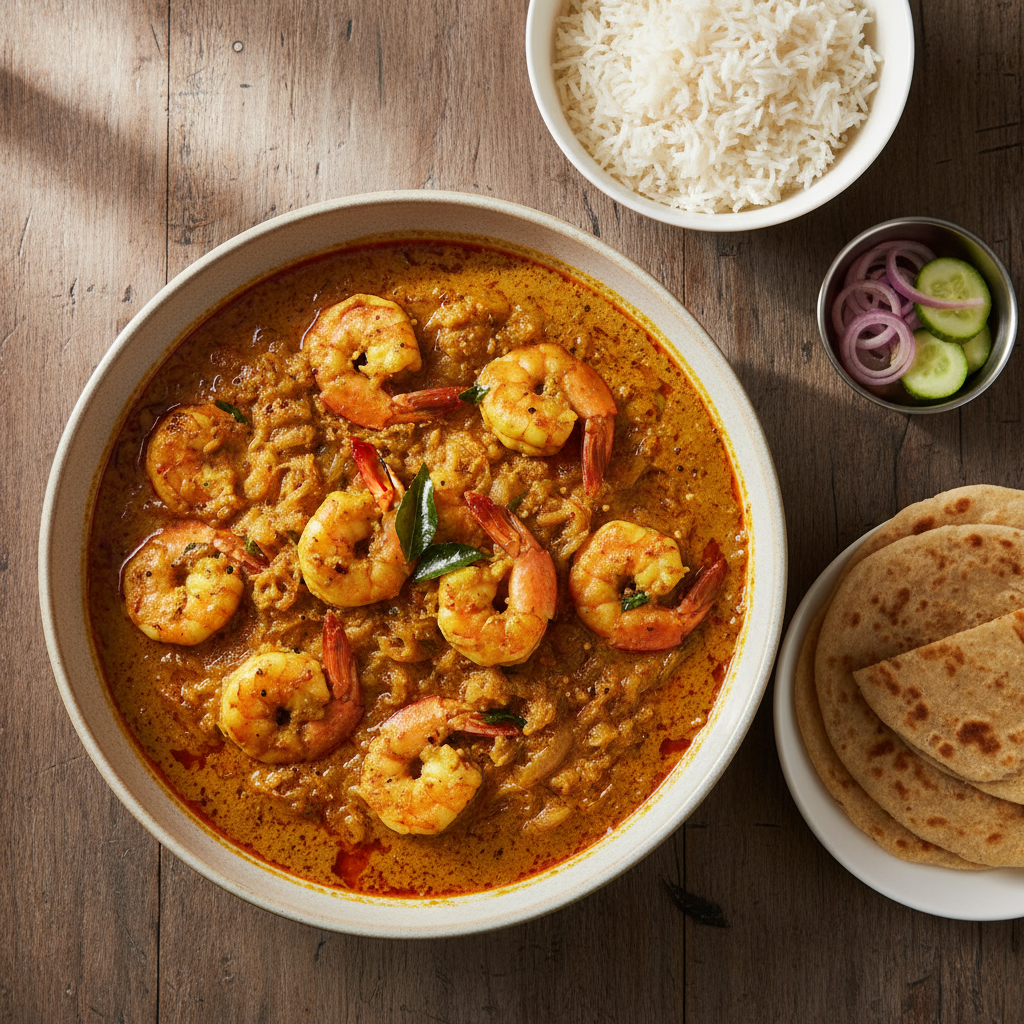
Prawn Malay Doopiaja
A Malay-style prawn curry featuring large prawns cooked in a rich onion-based sauce with coconut milk and aromatic spices. The doopiaja method involves frying onions twice - once sliced and fried, then chopped and simmered into the curry.

Prawn Powder
A traditional preserved prawn seasoning made by drying salted prawns and grinding them into a flavorful powder. This condiment can be used to add umami depth to curries, rice dishes, and vegetables.
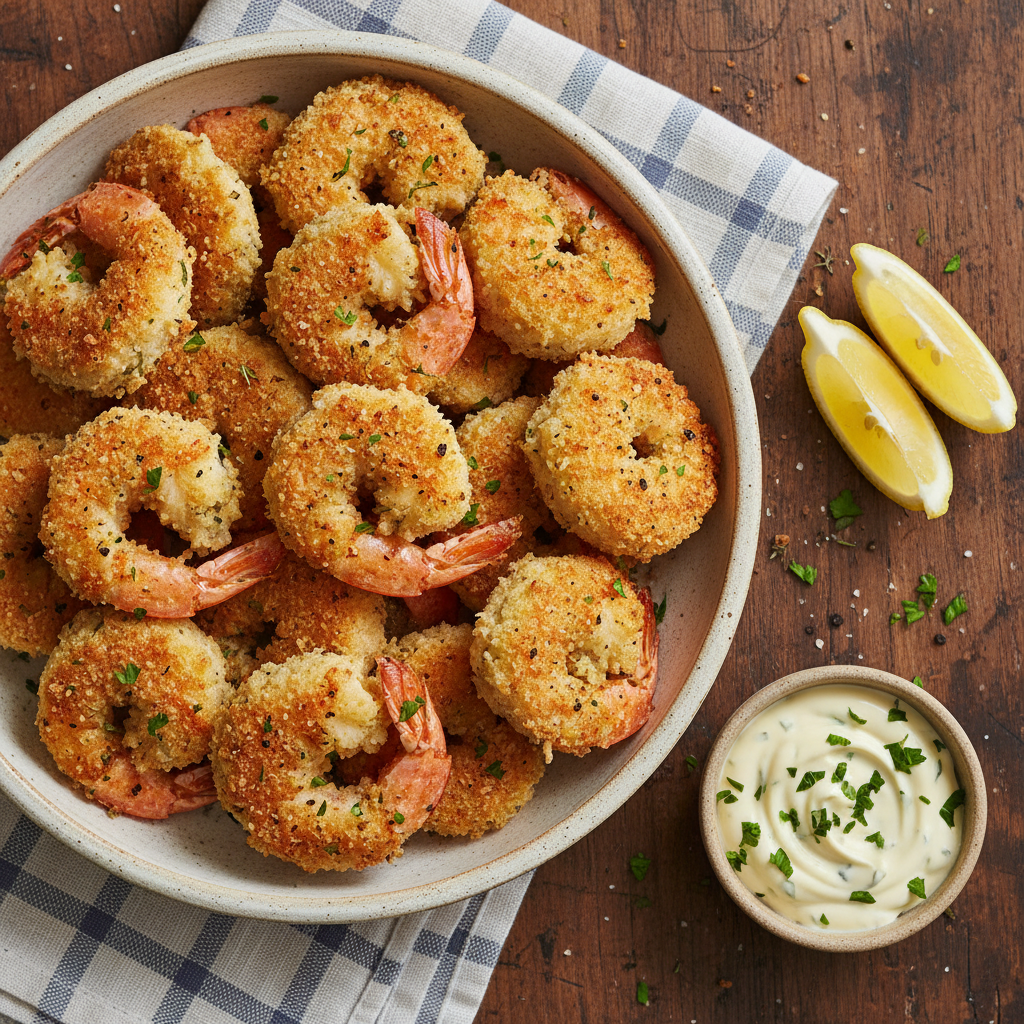
Prawn Cutlet
Butterflied prawns seasoned with herbs, coated in egg and flour, then pan-fried until golden. Served with fresh tomato gravy sauce and garnished with fried parsley.
Instructions
- 1Place your prawns in a saucepan and cover with water. Bring to the boil and cook until the shells turn pink and the flesh is just cooked through, about 3 to 5 minutes depending on size. Do not overcook or they will become rubbery. Drain and set aside to cool slightly so you can handle them.
- 2Once the prawns are cool enough to handle, peel off the shells and remove the heads. Using a small sharp knife or your fingernail, carefully pick out the black line (the digestive tract) that runs straight down the back and also along the underside of each prawn. Be thorough — removing all grit and the dark vein is important for a clean-tasting paste. Take your time with this step.
- 3Place the cleaned prawns in a fine mesh sieve set over the sink. Rinse thoroughly under cold running water, then pour a generous amount of cold water over them as they sit in the sieve. This helps flush away any remaining grit. Once you are satisfied they are thoroughly clean, spread them out on a clean kitchen towel or paper towels and pat them completely dry. Excess moisture will dilute the paste, so drying them well is important.
- 4Melt a tablespoon of butter in a frying pan over a gentle medium heat. Add the dried prawns and toss them in the butter, stirring continuously, until they have absorbed the butter. This only takes 2 to 3 minutes. The goal is not to fry them further but to coat them thoroughly and allow the butter to be taken up into the prawn flesh, which will enrich the final paste. Remove from the heat.
- 5Pass the buttered prawns through a mincer or meat grinder to break them down into a coarse paste. If you do not have a mincer, a food processor pulsed a few times will work — be careful not to over-process at this stage, as the next step will refine the texture further. You want a roughly minced consistency at this point.
- 6Transfer the minced prawns to a large mortar and pound them thoroughly with the pestle until you have a smooth, even paste. This step takes patience — keep pounding and working the mixture until no large pieces remain. The pounding breaks down the fibres and creates a much smoother result than mincing alone. If you find the mixture sticking, scrape down the sides of the mortar and continue.
- 7Using the back of a large spoon or a spatula, press the pounded paste through a fine wire sieve (or a fine mesh strainer) into a clean bowl. This is the final refinement step and produces an exceptionally smooth, silky paste. Work in batches if needed, scraping and pressing until as much of the paste as possible has passed through. Discard any fibrous residue left behind in the sieve.
- 8To the smooth prawn paste in your bowl, add a pinch of salt, a pinch of white pepper, a pinch of red pepper, a few drops of anchovy sauce, and a small pinch of pounded mixed spice. Add the freshly made butter (at room temperature so it blends easily). Using a spoon or spatula, work everything together thoroughly until fully incorporated and the paste is uniform in colour and texture. Taste and adjust seasoning if needed, keeping within the listed seasonings.
- 9Spoon the seasoned prawn paste into an earthenware jar or a small ramekin, pressing it down firmly so there are no air pockets and the surface is level. Melt a spoonful of butter gently in a small pan or in the microwave, then carefully pour it over the surface of the paste to form an even sealing layer. This butter seal helps preserve the paste and keeps it fresh. Allow the butter to set at room temperature, then cover and refrigerate until ready to serve.
You Might Also Like

Potted Prawns
A classic colonial-era hors d'œuvre of seasoned prawns prepared in the style of prawn butter, but served without the final blending with butter. The result is a flavourful, textured potted prawn dish ideal as a starter or spread.
Prawn Powder
A savory spiced prawn powder made from dried prawns, perfect as a spread on bread and butter or as a seasoning. This traditional condiment combines crispy dried prawns with warming spices.

Madrasi Curry II (Pickled Curry)
This traditional Parsi-style pickled curry, known as Madrasi Curry II, offers a robust and tangy flavor profile designed for long-term preservation. Succulent prawns or tender goat meat are marinated and cooked in a rich base of ghee, tamarind vinegar, and aromatic roasted spices like cumin, mustard, and Goa chilies. The result is a deep, complex dish similar to a vindaloo or balchão that intensifies in flavor over time, perfect for serving with rice or crusty bread.

Prawn Kebabs
These succulent Prawn Kebabs (Kavab Kolmina) offer a rich taste of historical Parsi-Gujarati coastal cuisine, blending fresh seafood with a robust aromatic spice paste. Finely minced prawns are marinated and combined with sautéed onions, garlic, fresh coriander, and a warming blend of cumin, mustard, and cloves for a texture that is both tender and satisfying. Pan-fried to golden perfection, these savory cakes make an elegant appetizer or side dish, best served with fresh lime and chutney.