
RENDERED BUTTER
This recipe transforms butter into a clarified form, perfect for cooking and preserving. The process removes impurities, resulting in a rich, flavorful, and shelf-stable cooking fat. This method is ideal for those seeking a longer-lasting butter option with a higher smoke point, making it suitable for various culinary applications.
Ingredients
- 2 pounds Butter
More recipes using Butter
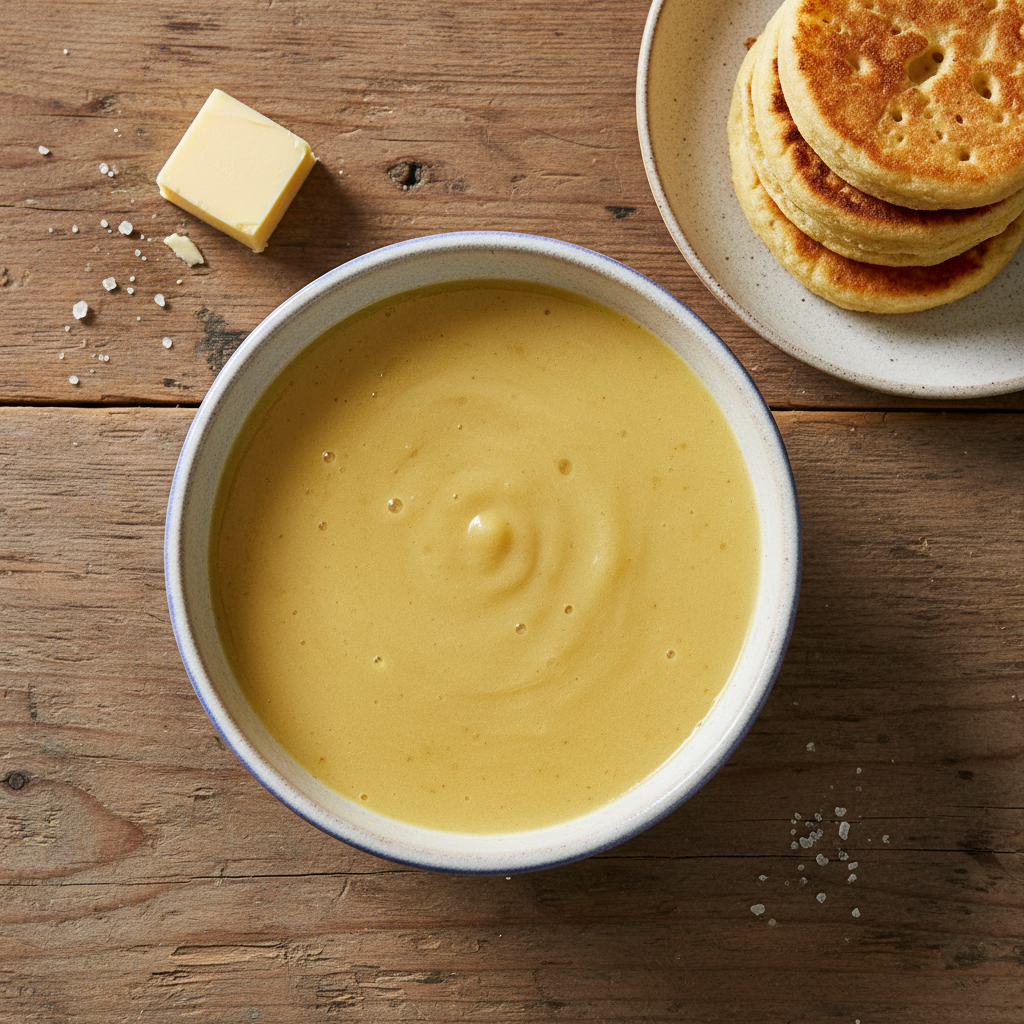
Melted Butter
A classic method for making smooth melted butter sauce, either with water or cream. This basic sauce can be used as a base for other sauces or served with vegetables and fish.

Drawn Butter Sauce
A classic drawn butter sauce, perfect for serving with boiled or baked fish. This modernized version provides clear instructions for a smooth and flavorful sauce.

Melted or Oiled Butter Sauce
A classic Continental-style sauce consisting simply of pure butter gently melted until it runs to oil. Unlike the flour-thickened English 'melted butter' of the era, this is clarified or drawn butter, traditionally served with fish or vegetables like French artichokes. It can be enhanced with a spoonful of capers.
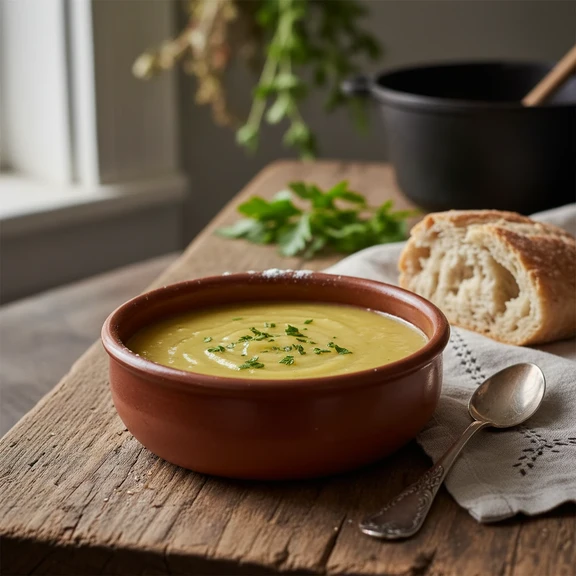
Drawn Butter
A simple sauce made with butter, flour, and water.
Instructions
- 1Place the butter in a deep, iron kettle, filling it only half full to prevent boiling over. This will allow the butter to clarify without spilling.
- 2Set the kettle on the stove over low heat and let it simmer slowly for several hours. Watch carefully to prevent it from boiling over. Do not stir the butter.
- 3From time to time, skim off any foam or impurities that rise to the surface. When the butter is perfectly clear, and all the salt and sediment has settled at the bottom, it is done. Let it sit for a few minutes to allow the sediment to fully settle.
- 4Strain the clarified butter into stone jars through a fine sieve. Allow the butter to cool completely. Once cold, tightly seal the jars with paper and cloth. Store the rendered butter in a cool, dry place.
You Might Also Like

TO RENDER GOOSE, DUCK OR BEEF FAT
This recipe teaches the traditional method of rendering animal fat, a crucial skill for preserving and utilizing flavorful cooking fats. The process involves slowly heating the fat until it melts and separates from the solids, resulting in a rich and versatile ingredient. This rendered fat can be used for frying, baking, or adding depth of flavor to various dishes.

Homemade Clotted Cream and Butter
This traditional technique transforms simple whole milk into a luxurious, thick layer of clotted cream, known as Malai, which serves as the foundation for countless Indian sweets and Parsi delicacies. By slowly cooling boiled milk in a shallow vessel, a dense, high-fat crust forms that is far richer and more flavorful than commercial heavy cream. The recipe also includes a clever, time-honored method for shaking this fresh cream into sweet, homemade butter in just minutes.

Ghee Substitute from Goat Fat and Sesame Oil
A traditional method for preparing a compound cooking fat that combines the richness of rendered goat suet with the fluidity of fresh sesame oil. Designed as an economical and pure alternative to commercial ghee, this recipe yields a semi-solid fat with a high smoke point suitable for general frying and sautéing. The addition of salt during the rendering process helps clarify the fat, resulting in a clean, stable product that solidifies upon cooling.
Melted or Oiled Butter Sauce
A classic Continental-style sauce consisting simply of pure butter gently melted until it runs to oil. Unlike the flour-thickened English 'melted butter' of the era, this is clarified or drawn butter, traditionally served with fish or vegetables like French artichokes. It can be enhanced with a spoonful of capers.