
CARAMEL LAYER CAKE
This Caramel Layer Cake is a delightful vintage recipe, offering a rich and unique flavor profile thanks to the burnt sugar caramel. The cake combines a buttery base with a hint of caramel, creating a satisfyingly sweet and slightly smoky taste. This classic cake is perfect for special occasions or a comforting dessert.
Ingredients
- 1/2 cup Granulated sugar
- 1/2 cup Boiling water
- 1 cup Butter
- 1 1/2 cups Granulated sugar
- 2 count Egg yolks
- 1 cup Water
- 2 cups All-purpose flour
- 1 teaspoon Vanilla extract
- 1/2 cup All-purpose flour
- 2 teaspoons Baking powder
- 2 count Egg whites
More recipes using Sugar

CARAMEL SAUCE
This classic caramel sauce recipe from the early 1900s offers a rich, sweet, and comforting flavor profile. The sauce is made by melting sugar, then combining it with egg yolks, milk, and vanilla for a creamy texture. Serve this decadent sauce over puddings, cakes, or fritters for an elegant and satisfying dessert.
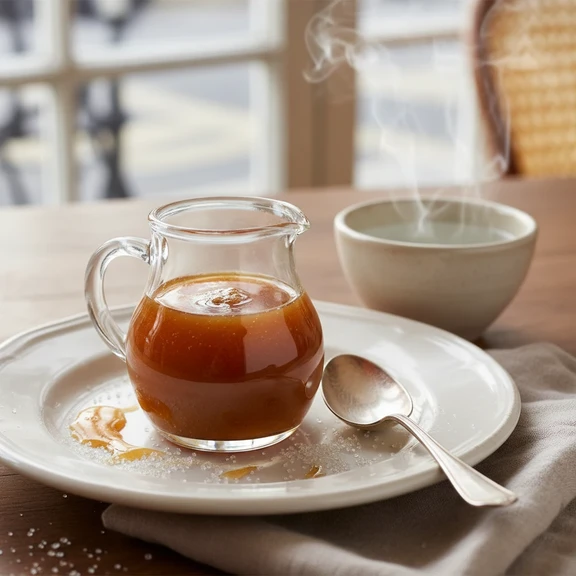
Caramel Syrup
A simple caramel syrup made by melting sugar and adding boiling water, perfect for desserts and drinks.

White Mountain Cream Icing for Cakes
This classic icing recipe from 1900 creates a light and airy frosting perfect for cakes. The unique method of boiling sugar and water, then slowly adding it to beaten egg whites, results in a fluffy, cloud-like texture. The sweet, delicate flavor is enhanced by vanilla extract, making it a satisfying and elegant topping for any cake.
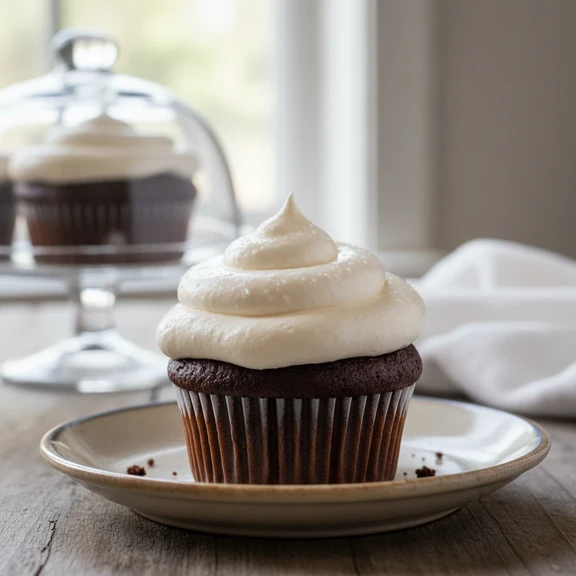
Simple Boiled Frosting
A classic boiled frosting recipe, perfect for cakes and cupcakes. This frosting is soft inside and has a glossy surface.
Instructions
- 1Place 1/2 cup of sugar in a saucepan over medium heat. Stir constantly until the sugar melts and turns a deep brown color, about 5-7 minutes. Be careful not to burn it. Remove from heat.
- 2Carefully add 1/2 cup of boiling water to the caramelized sugar, stirring constantly until the caramel dissolves and forms a syrup. Set aside to cool slightly.
- 3In a large bowl, cream together 1 cup of butter and 1 1/2 cups of sugar until light and fluffy. Beat in the egg yolks one at a time. Gradually add the caramel syrup, then 1 cup of water, and 2 cups of flour, mixing until just combined.
- 4Stir in 1 teaspoon of vanilla extract, 1/2 cup of flour, and 2 teaspoons of baking powder. In a separate bowl, beat the egg whites until stiff peaks form. Gently fold the egg whites into the batter.
- 5Preheat oven to 350°F (175°C). Pour the batter into two greased and floured 9-inch round cake pans. Bake for 30-35 minutes, or until a toothpick inserted into the center comes out clean.
- 6Use the remaining burnt sugar syrup for icing. Let the cake cool completely before icing.
You Might Also Like

Spanish Cake with Caramel Frosting
A classic Spanish Cake, a tender and spiced yellow cake, layered and topped with a rich, homemade caramel frosting. This recipe modernizes the original by providing clear, step-by-step instructions and incorporating a traditional caramel frosting recipe.

CREAM LAYER CAKE
This classic Cream Layer Cake recipe from the early 1900s offers a taste of history with its simple yet delicious flavors. The cake features a tender crumb and a creamy filling, perfect for a special occasion or a comforting treat. The combination of butter, sugar, eggs, and milk creates a rich and satisfying cake, while the cornstarch filling adds a smooth, sweet contrast.
CARAMEL SAUCE
This classic caramel sauce recipe from the early 1900s offers a rich, sweet, and comforting flavor profile. The sauce is made by melting sugar, then combining it with egg yolks, milk, and vanilla for a creamy texture. Serve this decadent sauce over puddings, cakes, or fritters for an elegant and satisfying dessert.

Vanilla Layer Cake with Buttercream Frosting
A classic vanilla layer cake, featuring moist butter cake layers and a rich, creamy vanilla buttercream frosting. This recipe modernizes an original instruction to 'follow recipe for mixing butter cakes' and 'Ice Cream Frosting' by providing complete, beginner-friendly steps, as the specific referenced recipes for these components were not provided in the context.