
LAU-POSTA
A traditional Bengali vegetable dish of tender pumpkin cooked down with pasted poppy seed and ginger in mustard oil, finished with browned broken bori (lentil dumplings). The dish is cooked until the liquid dries up, resulting in a thick, flavourful preparation.
Ingredients
- 1 medium (approx. 600–800g) very tender pumpkin (Choose the youngest, most tender pumpkin available — the skin should be easy to pierce with a fingernail. Avoid large, fully mature pumpkins.)
- 1 large handful (optional) tender shoots and leaves of pumpkin (Use only the very young, soft shoot tips and fresh leaves. Optional — include if available.)
- 3 tablespoons mustard oil (Use raw mustard oil. It has a strong, pungent flavour that softens once heated. It is traditional to heat it until it just begins to smoke slightly before use.)
- 3 whole dried red chillies (A few whole dried red chillies. Adjust quantity to your preferred heat level.)
- 60 grams (approx. 1 powa) poppy seed, pasted (1 powa is a traditional Bengali unit equal to approximately 60g. Soak the poppy seeds in a little water for 30 minutes, then grind to a smooth paste using a blender or stone grinder. White poppy seeds (posto) are the correct variety for this dish.)
- 30 grams (approx. 2½ tolas) ginger, pasted (2½ tolas is a traditional Indian unit equal to approximately 29–30g. Peel the ginger and grind it to a smooth paste using a blender or grater. Fresh ginger is essential.)
- 1 to taste salt (Add to taste. Regular table salt or fine sea salt works well.)
- 1 handful (approx. 50g) browned broken bori (Bori are small sun-dried lentil dumplings common in Bengali cooking. Break them roughly into pieces and fry or dry-toast them in a pan until golden brown before adding to the dish. They are available in South Asian grocery stores.)
- 1 small splash (as needed) water (Add only if the mixture seems too dry after combining. A few tablespoons at a time.)
More recipes using Tender pumpkin

Instructions
- 1Place the poppy seeds (posto) in a small bowl and cover with just enough water to submerge them. Leave to soak for at least 30 minutes — this softens them and makes grinding much easier. While they soak, peel the ginger and either grate it finely or chop it roughly. Once the poppy seeds have soaked, drain off any excess water and transfer them to a blender or food processor along with the ginger pieces. Blend until both form smooth, thick pastes. You may need to add a teaspoon of water to help the blender move. Set the pastes aside separately or together — both go in at the same time.
- 2Using a sturdy vegetable peeler or a sharp knife, peel the outer skin from the tender pumpkin. Because the pumpkin is very young and tender, the skin should come off easily. Cut the pumpkin in half, scoop out any seeds from the centre, then chop the flesh into small, fine pieces — roughly 1–2 cm cubes or thin slices. The smaller the pieces, the faster they will cook and the more evenly they will combine with the other ingredients. If you have tender pumpkin shoots and leaves, rinse them thoroughly under cold water, remove any tough stems, and tear or chop them into similar-sized pieces.
- 3Place the chopped pumpkin pieces (and shoots and leaves if using) into a medium saucepan. Cover with enough water to just submerge the pieces. Bring to a boil over medium-high heat, then reduce to a steady simmer. Cook for 8–10 minutes, or until the pumpkin is tender and easily pierced with a fork — it should be soft but not completely falling apart. Once cooked, carefully pour the contents into a colander or sieve set over the sink. Let all the water drain away completely. Do not press or mash the pumpkin at this stage — just let gravity do the work. Set the drained pumpkin aside.
- 4In a small dry frying pan (no oil needed), add the broken pieces of bori. Place over medium heat and toast, stirring frequently, until they turn a light golden-brown colour — this should take about 2–3 minutes. Watch them carefully as they can burn quickly. Alternatively, heat a small drizzle of oil and fry them until browned. Once browned, remove from the pan and set aside. They will soften slightly once added to the dish later.
- 5Pour the mustard oil into a wide, heavy-bottomed pan or kadhai (a deep frying pan also works well). Place over medium-high heat. Allow the oil to heat until it just begins to shimmer and you see the first wisps of smoke — this is important with mustard oil as it removes the raw, sharp smell and mellows the flavour. Once the oil is hot, add the whole dried red chillies. Stand back slightly — they will sizzle and pop. Let them fry for about 30 seconds, stirring, until they darken slightly and become fragrant. The oil will take on a lovely reddish tinge.
- 6Carefully add the drained boiled pumpkin into the hot oil and chilli pan. Stir gently to coat everything in the oil. Now add the poppy seed paste and the ginger paste directly into the pan. Stir well to combine everything thoroughly — make sure the pastes coat all the pumpkin pieces evenly. If the mixture looks very thick and dry and is beginning to stick to the pan, add a small splash of water (a few tablespoons) and stir it in. Only add water if truly necessary. Increase the heat slightly until the mixture comes to a gentle boil, stirring occasionally.
- 7Once the mixture is boiling, add salt to taste — start with about half a teaspoon and adjust from there. Add the browned broken bori pieces and stir them gently into the dish. Continue cooking over medium heat, stirring occasionally, until all the liquid has evaporated and the mixture is thick and relatively dry — this is the sign that cooking is complete. The dish should look cohesive and slightly sticky, not soupy. This final drying stage may take 5–8 minutes. Do not leave unattended during this stage as it can catch and burn once the moisture is gone. Serve warm.
You Might Also Like

LAU-GHANTA
Lau-Ghanta is a traditional Bengali-style spiced pumpkin dish where tender pumpkin pieces are simmered with aromatic spices, milk, and flour until nearly dry. It is finished in ghee with fragrant cassia leaves for a rich, mildly sweet and savoury result.

Sweet and Sour Red Pumpkin (Koholu Ratu Khatu Mithu)
This traditional Gujarati 'Khatu Mithu' curry transforms humble red pumpkin into a rich, decadent dish with a perfect balance of sweet and sour flavors. Tender chunks of pumpkin are slow-cooked in ghee with caramelized onions, jaggery, and tangy tamarind, then mashed into a luscious, uniform consistency. Infused with a fresh green paste of cilantro and chilies, this savory jam-like vegetable dish is traditionally served with Khichdi or rustic millet flatbreads.

Mutton or Chicken with Red Pumpkin
This traditional Parsi dish creates a delightful harmony between savory meat and sweet red pumpkin. Tender chunks of mutton or chicken are simmered in a fragrant base of onions, ginger, garlic, and fresh herbs, then finished with cubes of ripe pumpkin that melt into the rich gravy. The result is a comforting, semi-dry stew with a perfect balance of spice and sweetness, best served with hot chapatis or crusty bread.
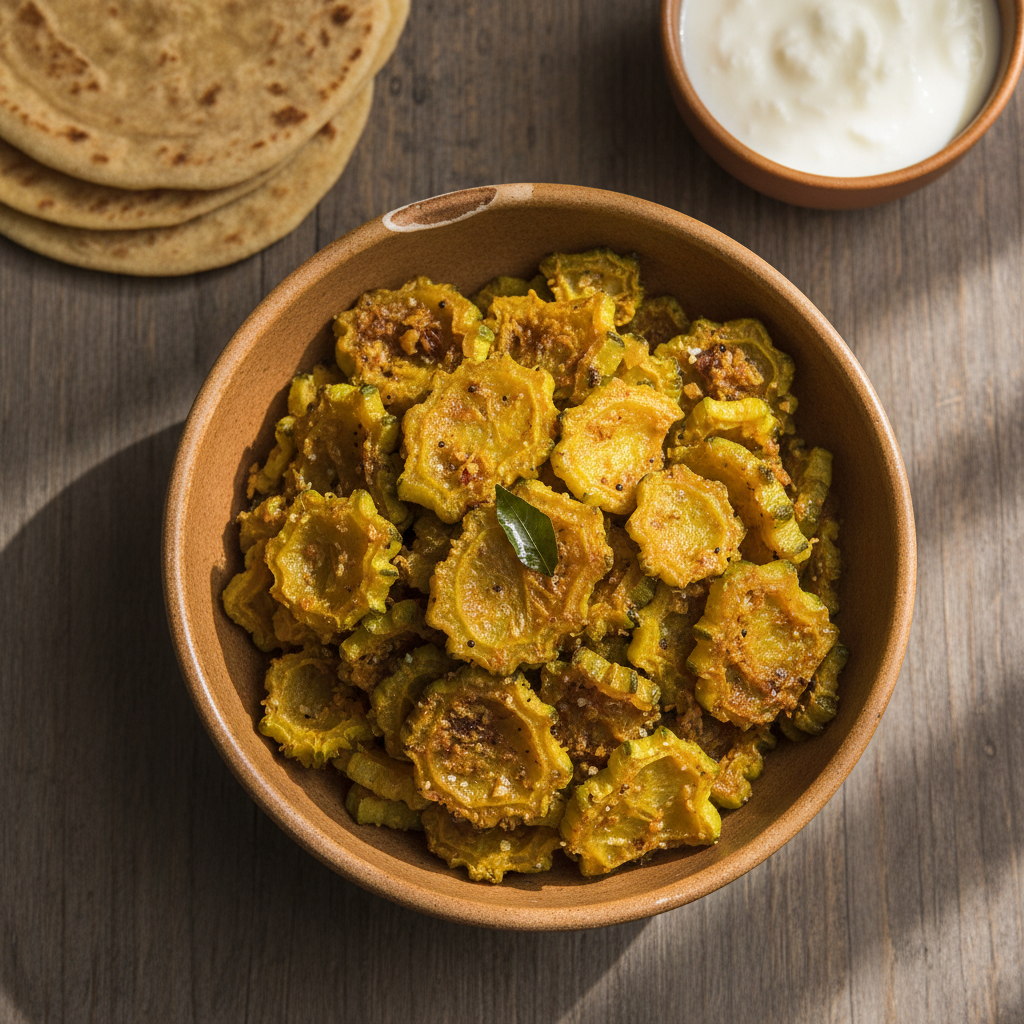
Pulwal Bhahjee (Pointed Gourd Stir-Fry)
A crispy fried preparation of pointed gourd (pulwal/parwal), a nutritious Indian vegetable. The gourds are marinated in turmeric, chilies, and salt, then fried until crisp in mustard oil. This traditional Bengali-style dish makes an excellent side dish.