
Omelette for Luncheon
A classic French-style omelette elevated for a refined luncheon table, finished with Parmesan cheese, laid upon a fricassee of cauliflower florets, garnished with asparagus tips, or adorned with truffles. This colonial-era recipe celebrates the omelette as a centrepiece dish worthy of the finest midday meal.
Ingredients
- 4 large eggs (The foundation of the omelette; use the freshest eggs available for the best result.)
- 30 grams Parmesan cheese (Finely grated; used to finish the omelette with a savoury, nutty flavour. Use for the Parmesan variation.)
- 1 small head cauliflower (Broken into small florets (flowers); used for the fricassee variation upon which the omelette is laid.)
- 100 grams asparagus tips (The tender top points only (aux points d'asperges); used for the asparagus variation.)
- 20 grams truffles (Thinly sliced or shaved; used for the truffle variation (aux truffes). Black or preserved truffles may be used.)
More recipes using Eggs

Omelette - Kerala Style
A traditional Kerala-style omelette, known as Mutta Omlette, featuring finely chopped onions, tomatoes, and green chillies, seasoned with turmeric and red chilli powder, and cooked in coconut oil for an authentic taste.
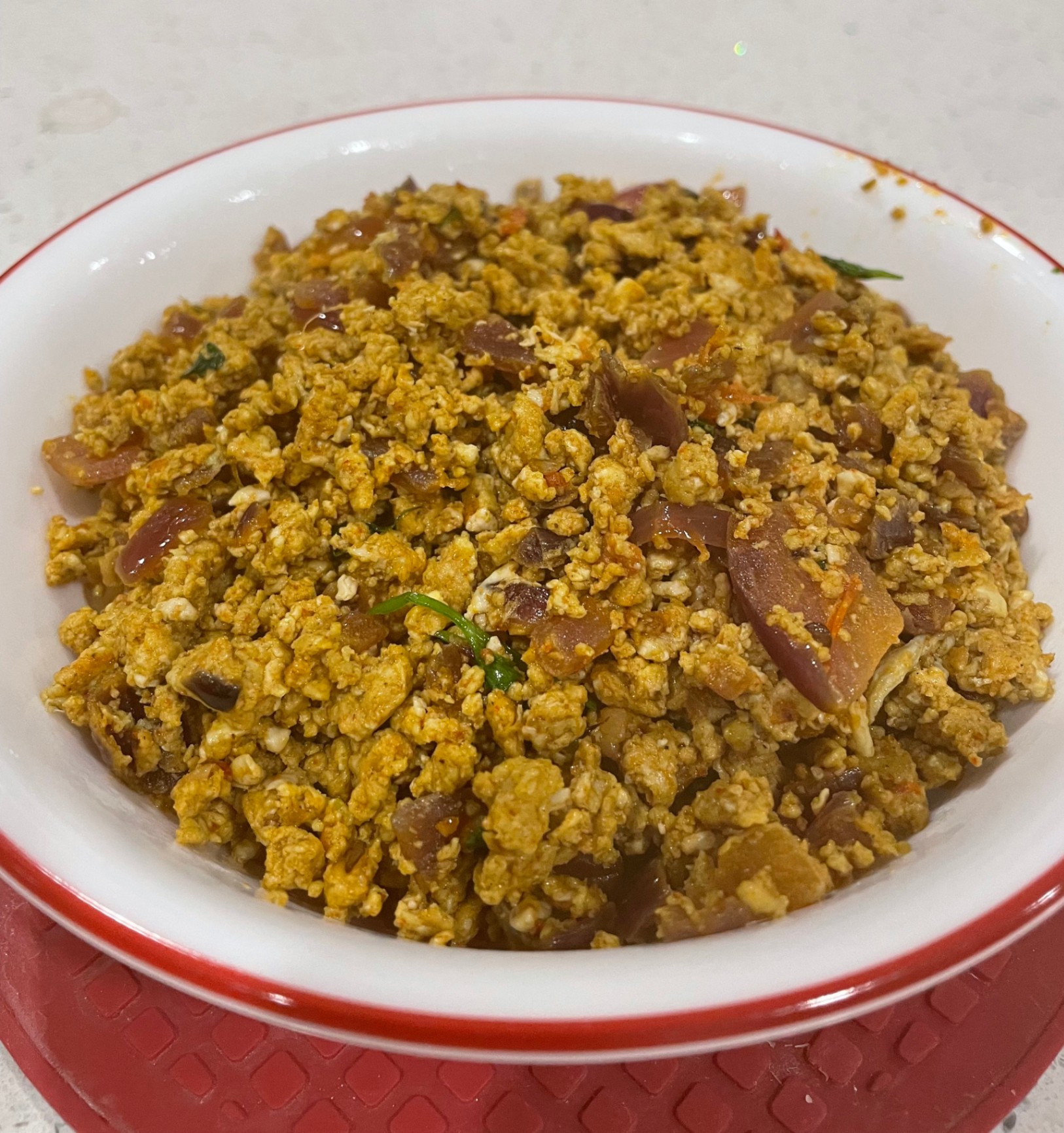
Egg Burji
A flavorful and spicy Indian dish made with scrambled eggs, onions, tomatoes, and a blend of spices, perfect for breakfast, lunch, or dinner.
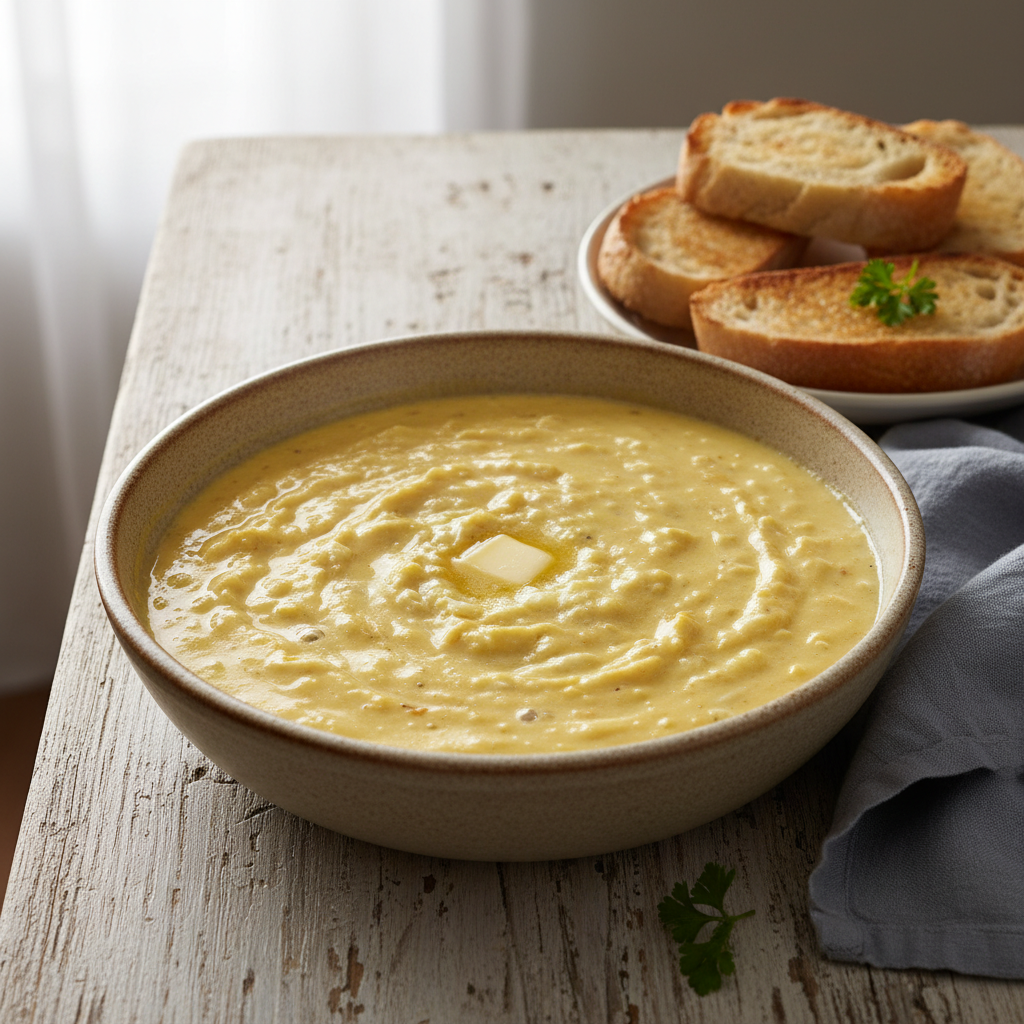
Egg Sauce
A classic creamy egg sauce made with hard-boiled eggs in a rich butter sauce, perfect for serving with fish, vegetables, or poultry.
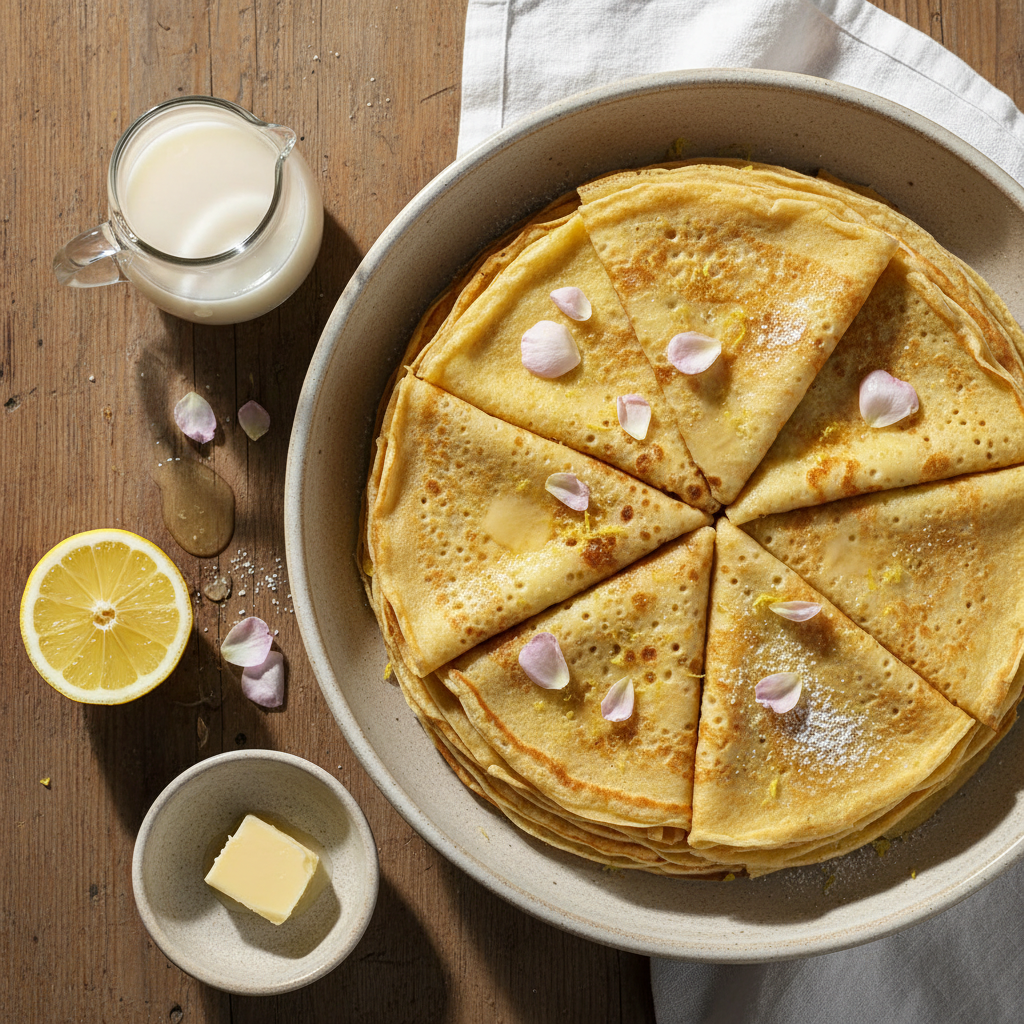
French Pancakes (Crêpes)
Delicate, thin French-style pancakes made with eggs, cream, and flavored with lemon and rose water. These elegant crêpes are lighter and thinner than traditional American pancakes.
Instructions
- 1Decide which variation of omelette you will prepare: (A) with Parmesan cheese, (B) laid upon a fricassee of cauliflower flowers, (C) aux points d'asperges (with asparagus tips), or (D) aux truffes (with truffles). Gather only the ingredients required for your chosen variation alongside the eggs. Having everything ready before you begin cooking is essential, as an omelette cooks very quickly.
- 2Prepare your chosen garnish or base BEFORE cooking the omelette, as the omelette must be served immediately once cooked. VARIATION B — Fricassee of Cauliflower Flowers: Break the cauliflower into small, even florets. Place them in a pan with a small amount of water and gently simmer until just tender, approximately 5–6 minutes. Drain and set aside in a warm place. The florets will form the bed upon which the finished omelette is laid. VARIATION C — Aux Points d'Asperges (Asparagus Tips): Trim only the tender top points of the asparagus. Bring a small pan of water to the boil and blanch the asparagus tips for 2–3 minutes until bright green and just tender. Drain and keep warm. VARIATION D — Aux Truffes (Truffles): Thinly slice or shave the truffles and set aside at room temperature, ready to be incorporated or placed atop the finished omelette. VARIATION A — Parmesan: Finely grate the Parmesan and set aside in a small dish, ready to be scattered over the omelette.
- 3Crack the 4 eggs into a bowl. Beat them vigorously with a fork or whisk until the yolks and whites are completely combined and the mixture is uniform in colour with a few bubbles on the surface. Do not over-beat — you are not looking to create a foam, simply a well-combined liquid. The key to a properly mastered omelette begins here: beaten eggs that are well combined but not aerated to excess.
- 4Place an omelette pan or a small non-stick frying pan (approximately 20–22 cm) over high heat. Allow the pan to become quite hot. Pour in the beaten eggs. As the edges begin to set — which will happen almost immediately — use a spatula or fork to gently draw the cooked egg from the edges toward the centre, tilting the pan so the uncooked liquid egg flows to the edges. Continue this motion quickly and with confidence. The surface of the omelette should remain very slightly moist and creamy on top when you are ready to fold — this is the hallmark of a properly mastered omelette. Do not allow it to brown or become dry. The entire cooking process should take no more than 1–2 minutes over high heat.
- 5With the omelette still in the pan and just barely set on top, apply your chosen variation: VARIATION A — Parmesan: Scatter the grated Parmesan evenly over the surface of the omelette. Fold the omelette in half or into thirds by tilting the pan and rolling it onto a warm plate. The residual heat will melt the cheese into the egg. VARIATION B — Fricassee of Cauliflower Flowers: Fold the omelette and slide it onto a warm plate. Arrange the warm cauliflower fricassee beneath and around the omelette so the omelette rests upon it. VARIATION C — Aux Points d'Asperges: Arrange the warm asparagus tips across the centre of the omelette before folding, or fold the omelette and lay the asparagus tips alongside and over the top on the plate. VARIATION D — Aux Truffes: Place the truffle slices across the centre of the omelette before folding, or fold the omelette and drape the truffle slices artfully over the top on the plate. Serve immediately on a warm plate — an omelette waits for no one.
You Might Also Like

French Omelet
A classic Parsi-style French omelet featuring fluffy beaten eggs mixed with finely chopped onions, fresh parsley, and a touch of milk for creaminess. Fried in ghee until golden brown and folded, this savory breakfast dish offers a rich, buttery flavor with a crisp exterior and tender interior. Perfect for a hearty breakfast or light lunch served with crusty bread or rotli.
Omelet, Plain
A classic, rich omelet prepared in the Anglo-Indian style. This recipe uses the traditional technique of agitating the eggs in the pan to create a fluffy, lumpy texture before shaping into a semicircle. While the original calls for a substantial amount of butter, this modernized version suggests a more manageable quantity while retaining the richness.

PLAIN OMELET
This classic omelet recipe is a simple yet satisfying breakfast or lunch option, perfect for beginners. With just a few basic ingredients and easy-to-follow steps, you can create a fluffy, golden omelet in minutes. The combination of eggs, milk, and a touch of salt creates a rich and comforting flavor, making it a delightful meal for any occasion.

Omelet (Four portions)
This classic omelet recipe from 1900 offers a simple yet satisfying breakfast or brunch option. The fluffy, golden omelet is made with eggs, water, and a touch of salt and pepper, creating a delicate and flavorful base. The recipe is finished with a pat of butter and a garnish of fresh parsley for an elegant touch.